Introduction
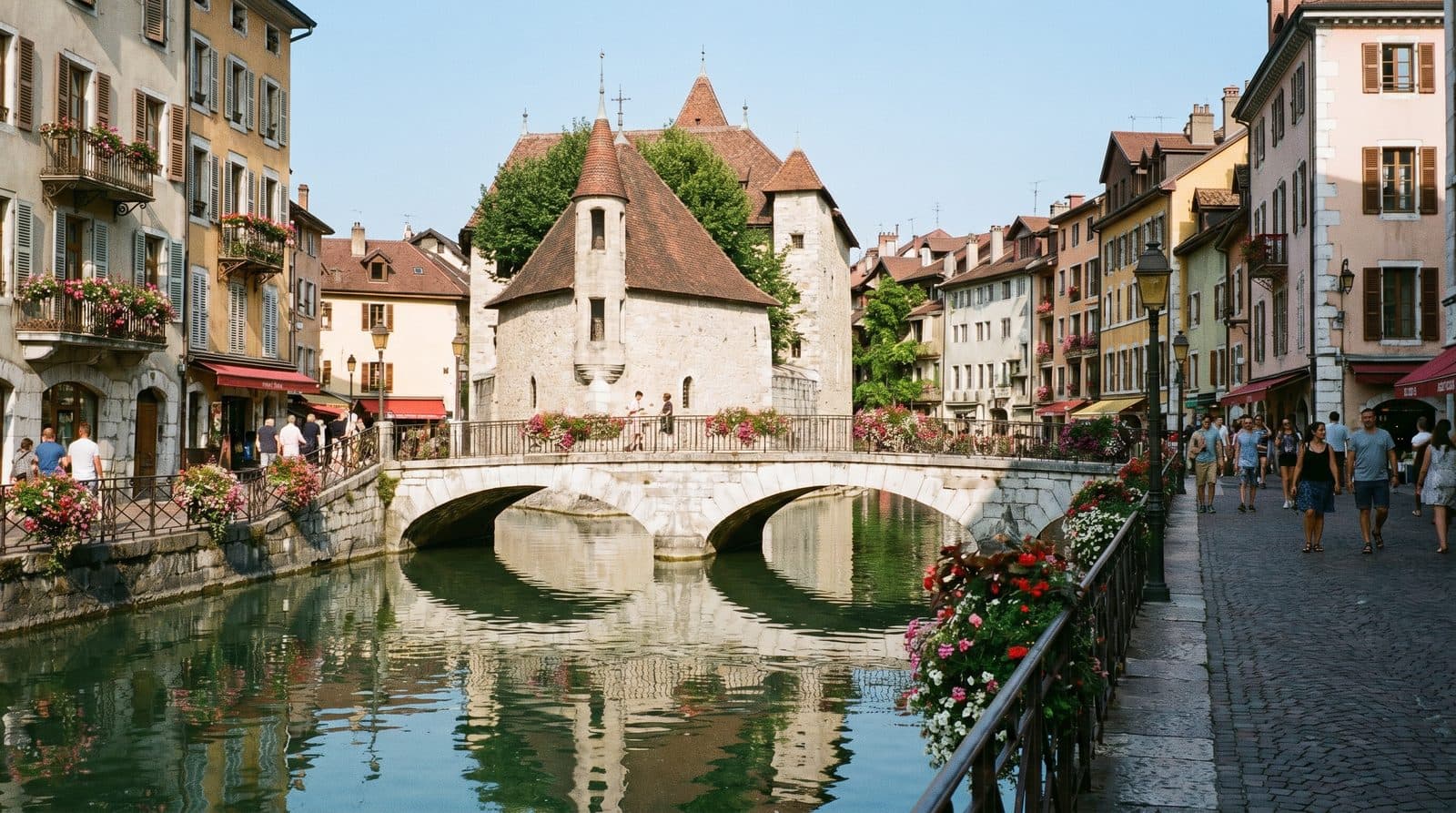
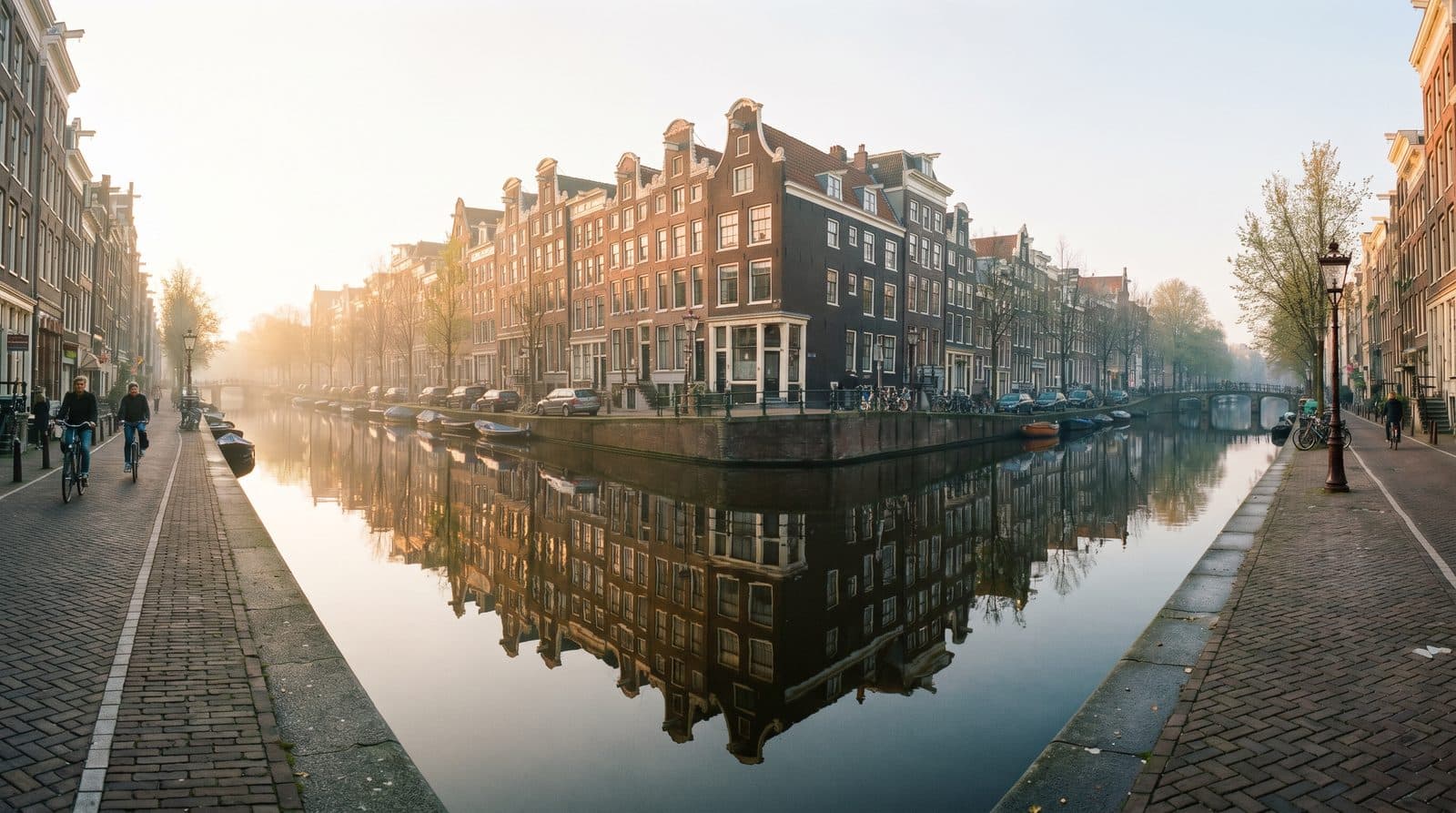
Amsterdam is one of those cities that grabs you at first sight. Between canals that look like postcards, leaning houses full of character and bicycles everywhere, it’s impossible not to fall into its laid-back rhythm. Get ready for a city that’s an open-air museum, but with an energy that invites you to slow down and just enjoy.
This isn’t a guide to seeing everything in a sprint. It’s an invitation to feel the city, to get lost on purpose in its streets and to find its most genuine corners. Shall we?
Day 1: The Historic Heart and the Canals
On day one, we go straight to the city’s nerve centre. Start at Dam Square, the beating heart of Amsterdam. You’ll find the imposing Royal Palace and a constant flow of people. It’s the perfect starting point.
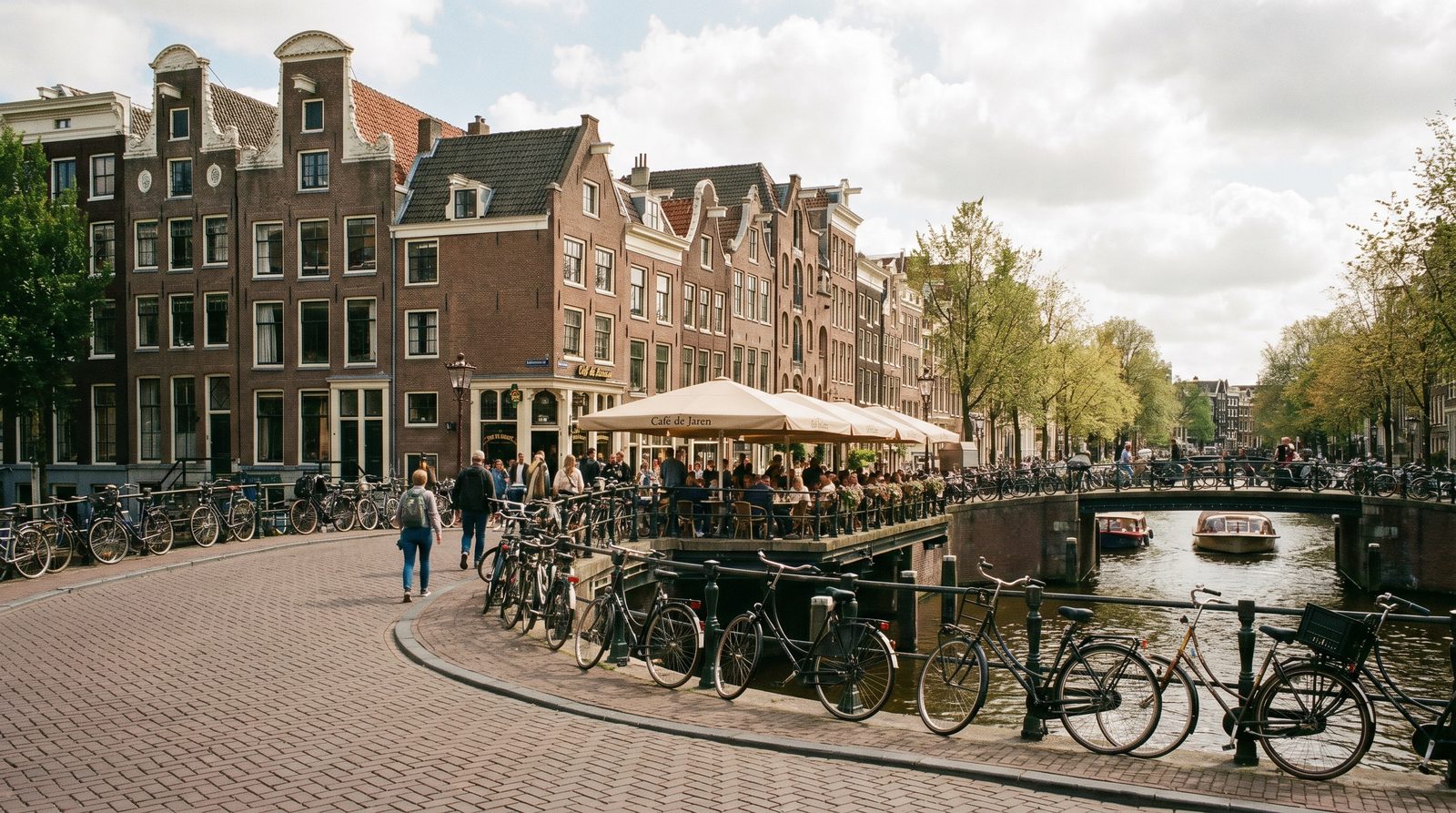
Then dive into the Jordaan neighbourhood. It’s Amsterdam’s signature image: quiet canals, photogenic bridges, indie shops and cosy cafés. It’s the ideal spot for getting lost on foot. While you’re there, peek into the Anne Frank House, one of the most moving places in the city. The visit is intense, so if you decide to go in, be sure to book your ticket well in advance — they sell out fast.
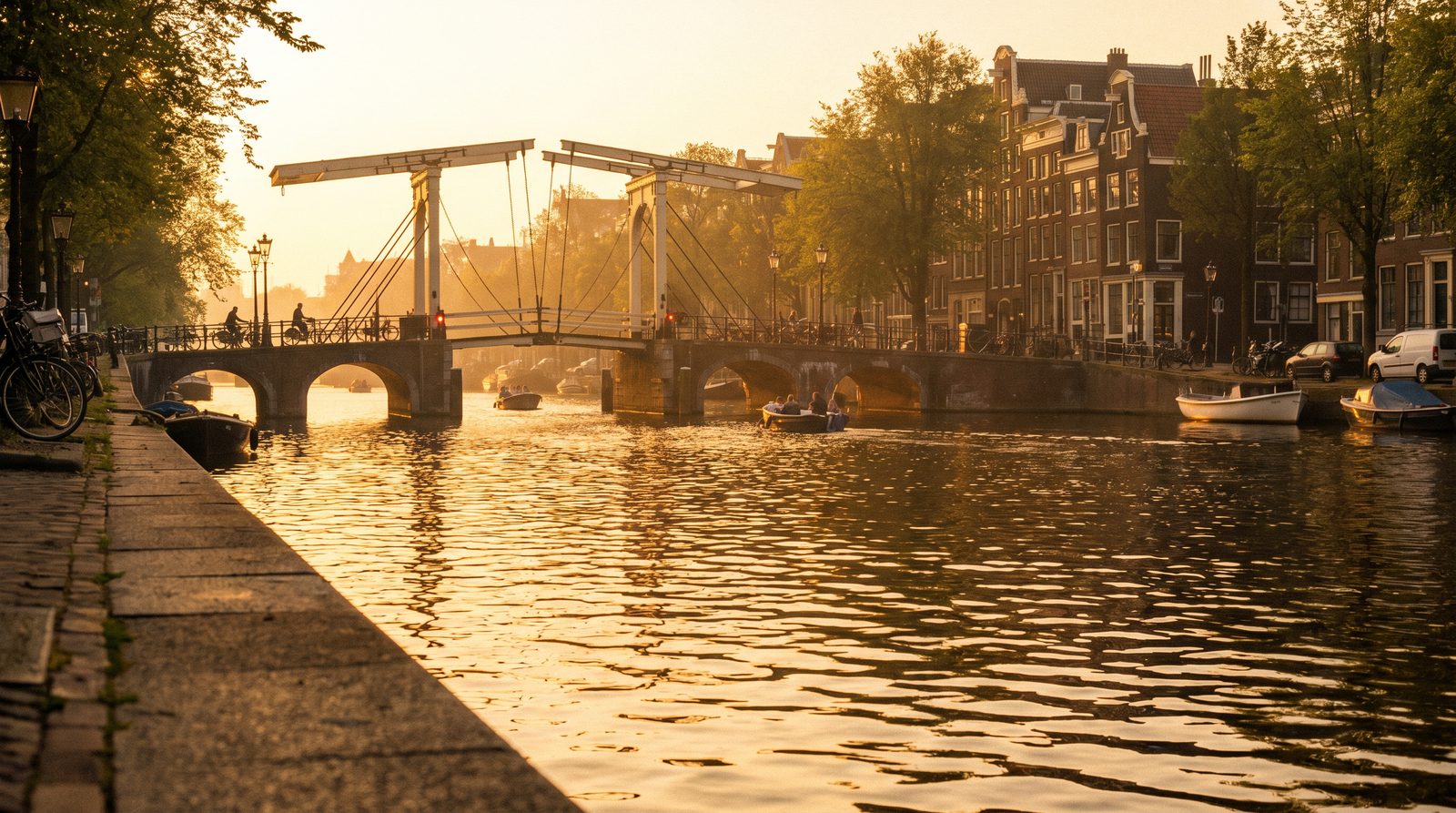
To wrap up the day, nothing beats a canal boat tour. Seeing the city from the water gives you a completely different and magical perspective, especially in the late afternoon when the lights start coming on.
Day 2: Art, Parks and the B-Side
Day two is dedicated to culture and downtime. Start at Museumplein, the museum square. Here you’ll find the giants of art: the Rijksmuseum, with its impressive collection of Dutch masters like Rembrandt, and the Van Gogh Museum, home to the world’s largest collection of the artist’s work. Pick one (or both, if you’re a fan), but buy tickets online to skip the queues.
After your dose of art, unwind at Vondelpark. It’s the city’s green lung, a huge park where locals and tourists come together to stroll, cycle or simply soak up the sun on the grass. It’s the perfect place for a picnic or a break.
In the late afternoon, explore the famous Red Light District. Beyond its reputation, it’s one of the city’s oldest and most beautiful neighbourhoods, with stunning architecture. The visit is fascinating, but remember to respect the rules: photographing the windows is strictly forbidden.
Day 3: Windmills and Alternative Discoveries
On day three, we suggest a short trip outside the centre. The Netherlands wouldn’t be the same without its windmills, and Zaanse Schans is the perfect place to see them in action. It’s an open-air museum village a short train or bus ride from Amsterdam, where you can watch working windmills and visit cheese and clog factories. It’s a cliché, but it’s worth it.
Back in the city, dedicate the afternoon to less obvious areas. Cross the IJ river by ferry (it’s free!) to NDSM, a former shipyard turned vibrant cultural hub, full of urban art, artists’ studios and bars with incredible views. It’s the more industrial and creative side of Amsterdam.
What you should know before you go
- Transport: The best way to get around is on foot or by bike. For longer distances, the tram system is super efficient. Consider buying a multi-day transport pass.
- Tickets: For the most popular attractions like the Anne Frank House and the Van Gogh Museum, buying tickets online weeks in advance is almost mandatory.
- Money: Most places accept card, and some don’t even accept cash. Always carry a card.
- Weather: Amsterdam’s weather is unpredictable. Always pack a waterproof jacket, even if the forecast looks sunny.
Where Multipark fits in
Conclusion
Amsterdam is a city that stays with you. It’s a place to live slowly, soaking up its unique atmosphere. We hope this itinerary helps you plan your trip and create your own unforgettable memories. Safe travels!