
You've decided to import your next car. Congratulations! You've just opened the door to a world where cars come with more extras and cost thousands of euros less. But the moment you open up the German listing sites, you hit the first big question: do I buy from a private seller (that nice Hans selling his car on their version of OLX) or from an official dealership (Autohaus)?
The car from the private seller is usually cheaper. But the dealership offers a warranty. So now what? Let's weigh up the pros and cons so you don't end up crying behind the wheel from Munich to Lisbon.
Buying from a Private Seller: Cheap Can Get Expensive 💶
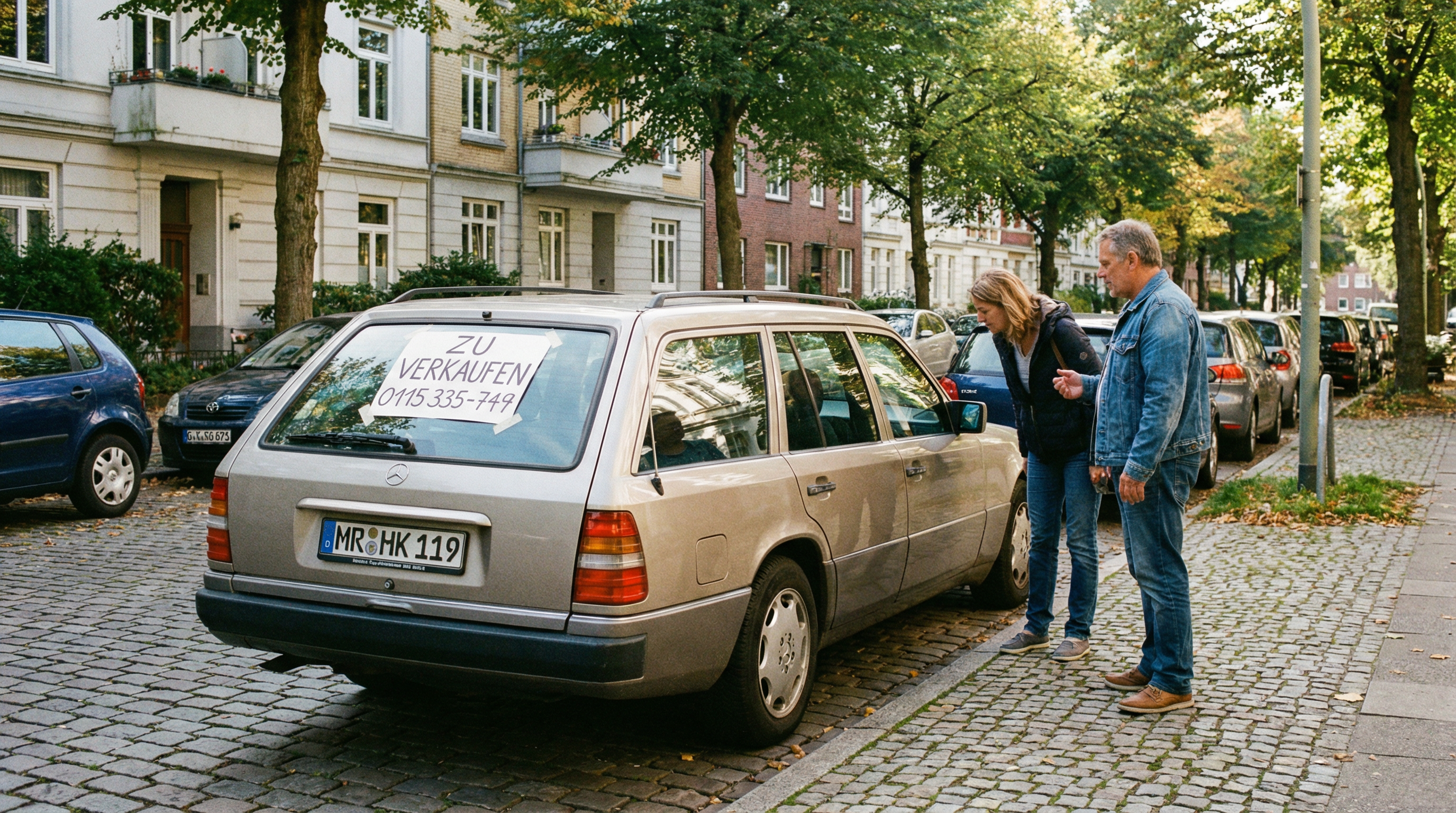
Buying from a private seller in Germany or the Netherlands has its perks, but it requires nerves of steel and a lot of mechanical know-how.
The Pros:
- Lower price: Without the dealership's profit margin, you can negotiate directly with the owner and save a fair bit of money.
- First-hand history: You're talking to the person who drove the car every day. You can ask what the driving routine was like (city vs motorway).
The Cons (and they're big):
- Zero Warranty: If the engine blows on the way back, the problem is yours. In Germany, sales between private parties (Privatverkauf) are made in the condition the car is in ("gekauft wie gesehen").
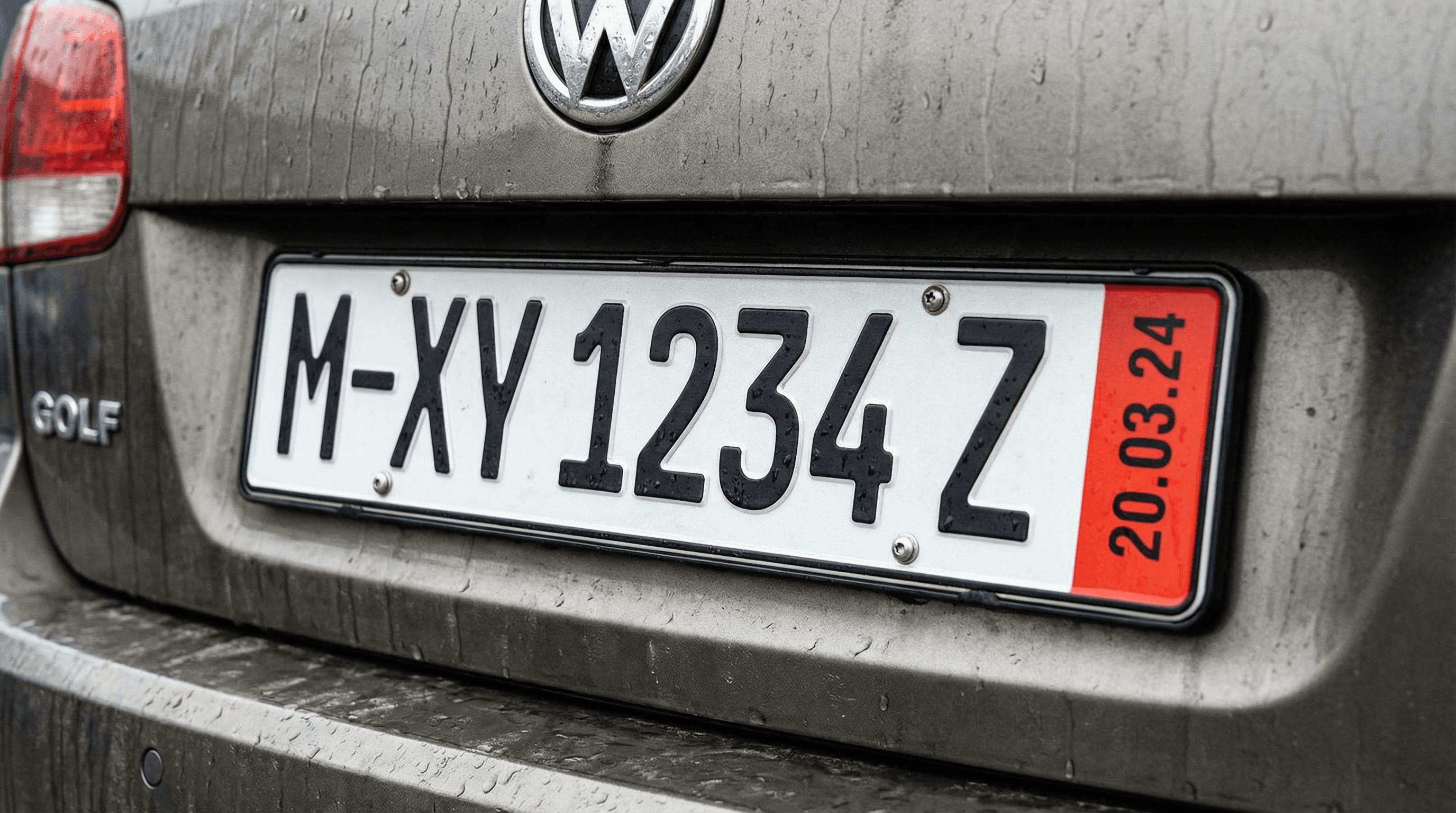
- Extra paperwork: You have to go with the seller to the Vehicle Registration Office (Zulassungsstelle) to handle the paperwork, request transit plates and arrange temporary insurance. If you don't speak the language, get ready to break a sweat.
- Risk of fraud: Tampered odometers or hidden accidents are more common in this parallel market.
Buying at an Autohaus (Official Dealership): The Safe Bet 🛡️
The Autohaus (official dealerships of brands like BMW, Mercedes, Audi) are the Holy Grail of car importing. It's where you find the famous "Premium Selection" or "Junge Sterne" cars.
The Pros:
- European Warranty: Most cars sold at these dealerships come with a warranty valid throughout Europe. If it breaks down in Portugal, you go to the brand's local dealer and they fix it.
- Spotless History: The cars come with a complete service book from the brand and a transparent history.
- "Turn-Key" Paperwork: The dealership handles everything. When you get there, the car already has its export plates and insurance sorted. Just pay and drive off.
- VAT Refund: If you buy through a company in Portugal, purchasing from a dealership lets you deduct VAT (impossible with a private seller).
The Cons:
- Higher price: You pay for peace of mind. A car at an Autohaus will always be a bit more expensive than its private-seller equivalent.
The Verdict: Which to Choose? ⚖️
If you're a mechanic, speak fluent German and like living on the edge, the private market may hide some pearls. But for 99% of people, the Autohaus is the only logical choice. The price difference more than compensates for the warranty, the absence of paperwork stress and the certainty that you're not buying polished scrap metal.
The Hook: Don't Know Where to Start? Multipark Searches for You 🔍
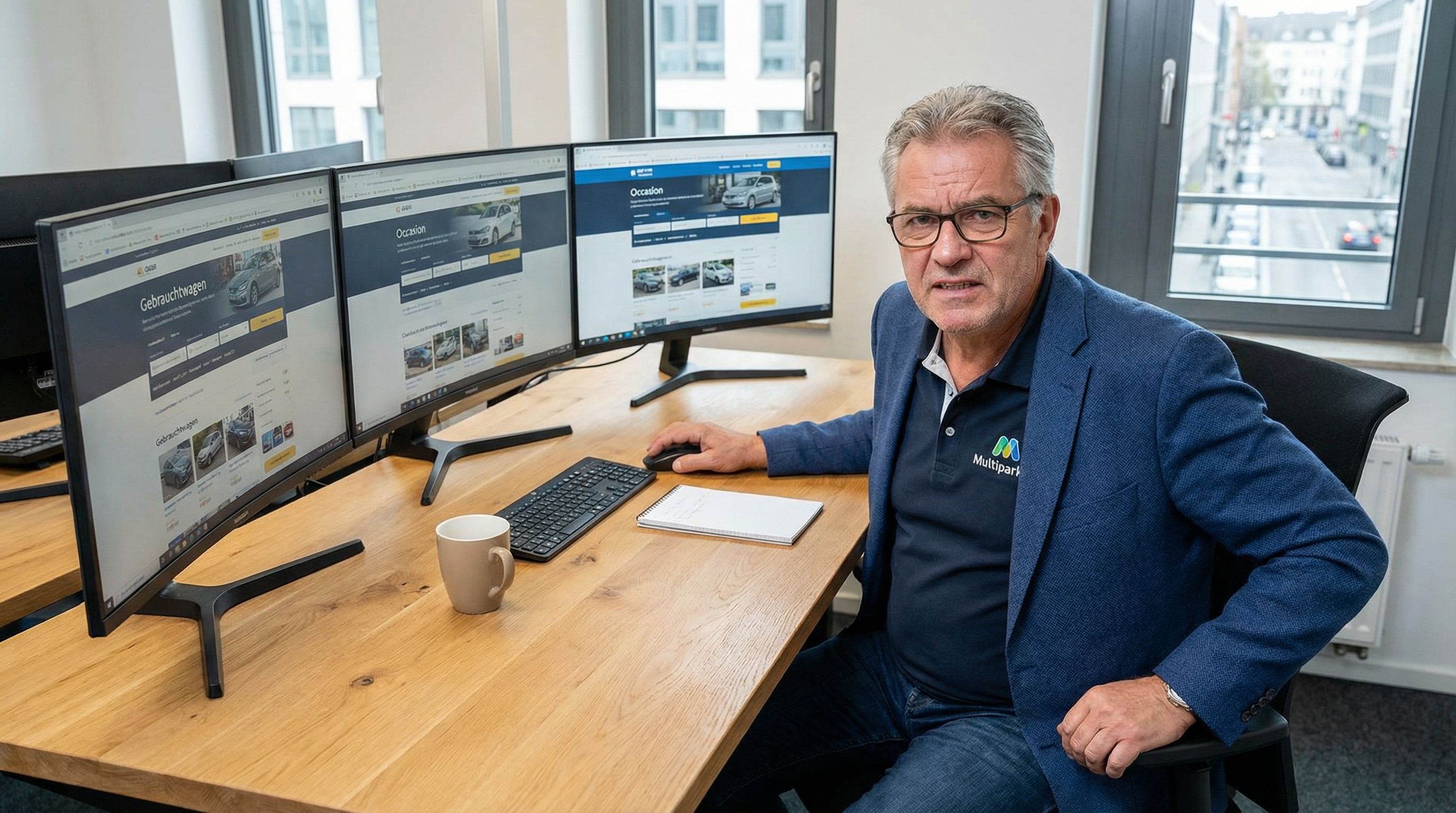
Looking through German websites full of options can be overwhelming. What if you choose the wrong dealership? What if the car turns out to be no good?
Multipark isn't just the best place to leave your car when you go on a trip. We also have a service dedicated to helping you with this car-import adventure.
If you don't want to lose any sleep searching for cars, we'll find the car for you abroad. Tell us the model, the extras and the budget you have. Our team of specialists does the screening, finds the best options at trusted dealerships and presents you with the ideal candidates.
The best part? You negotiate directly with the seller. We give you the tools and the certainty that the car is trustworthy, but the deal is yours, with no middlemen inflating the price.
And we don't stop there: we can also help you sell your current car here in Portugal to fund the new machine!
Contact Multipark and discover how we can turn the nightmare of finding the perfect car into a simple, transparent and safe process.