Introduction
Kyoto is a city that takes us straight into the Japan of our dreams. Among ancient temples, zen gardens that look like paintings and geisha hurrying through wooden lanes, the former imperial capital is a treasure trove of culture and tradition. But with so much to see, planning a visit can be a challenge. That’s why we created this 3-day itinerary, designed to take you to the essentials of Kyoto in a relaxed and unforgettable way.
Day 1: The Charm of Higashiyama and the Magic of Gion
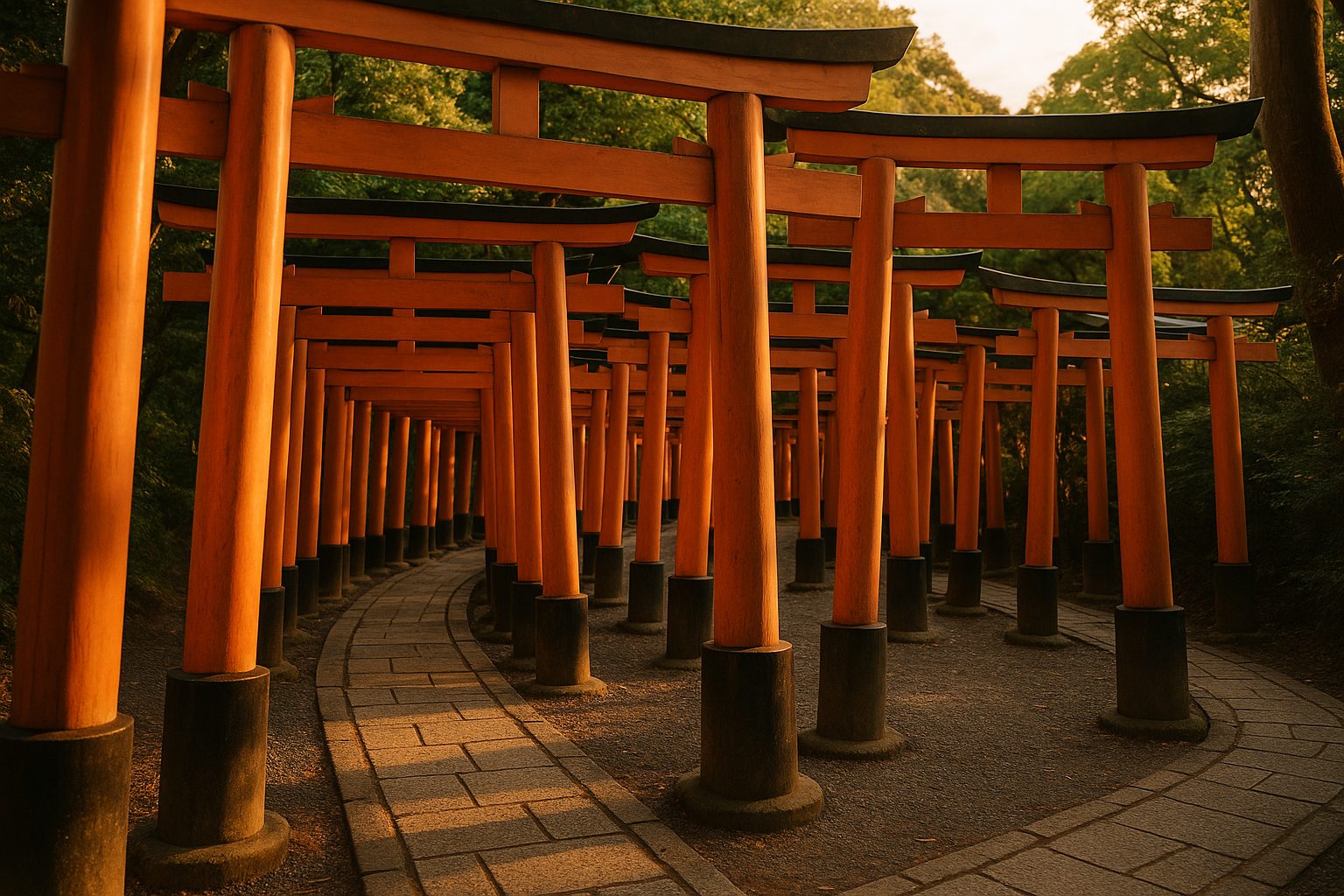
Day one is dedicated to some of Kyoto’s most iconic images. Start very early at Fushimi Inari-Taisha Shrine, famous for its thousands of red torii gates that form tunnels up the mountain. Entry is free and being there early in the morning lets you avoid the crowds.
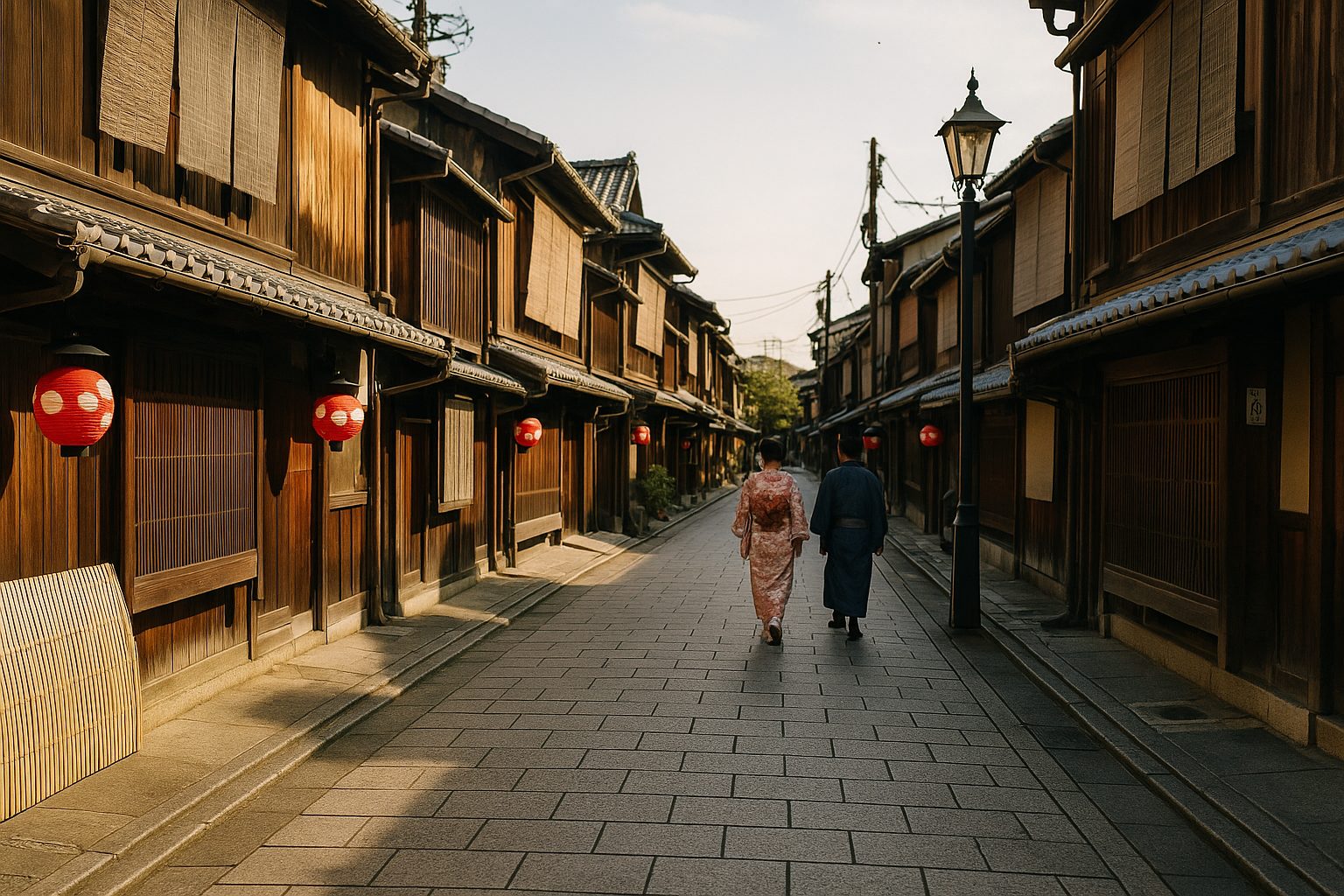
Then head to Kiyomizu-dera Temple, an impressive wooden temple over 1,200 years old, known for its terrace with spectacular views over the city. From there, lose yourself in the streets of the Higashiyama district, with its traditional shops and tea houses. In the late afternoon, explore the famous Gion district, the geisha quarter. With a bit of luck, you might spot a maiko (apprentice geisha) on her way to an appointment.
Day 2: The Glow of Gold and the Serenity of Bamboo
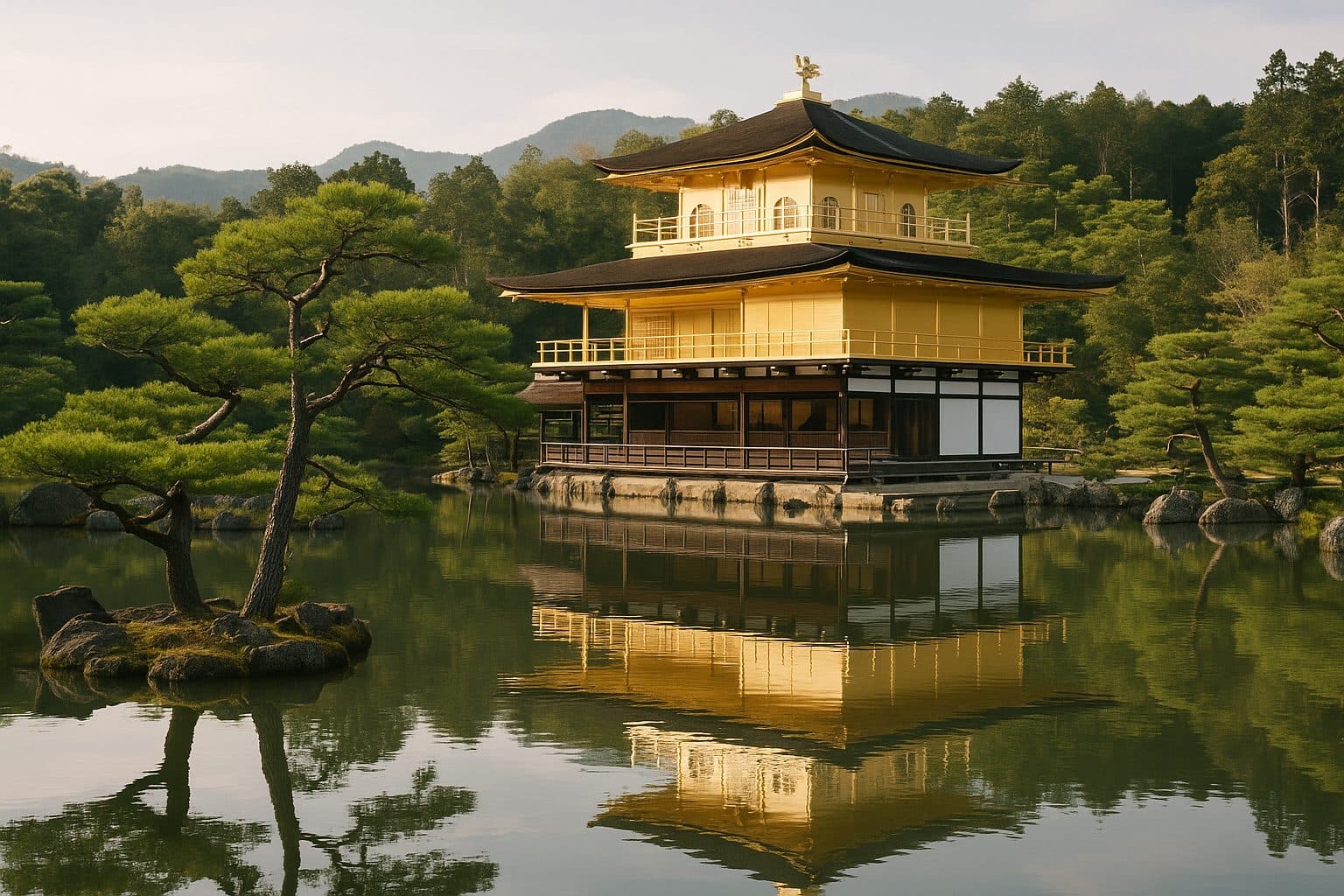
Day two takes us to two of Kyoto’s most famous postcards. Start at Kinkaku-ji Temple, the Golden Pavilion, a zen temple covered in gold leaf reflected in a serene lake. Its beauty is dazzling at any time of year.
In the afternoon, head west to the Arashiyama Bamboo Grove. Walking among the giant bamboo stalks is a unique sensory experience. Take the chance to visit Tenryū-ji Temple, a UNESCO World Heritage temple with a stunning landscape garden. If time allows, stroll across the Togetsu-kyo Bridge over the Katsura River.
Day 3: Philosophy, Palaces and Castles
The last day is a mix of contemplation and history. Start at Ginkaku-ji Temple, the Silver Pavilion. Although it was never actually covered in silver, its understated elegance and zen gardens have a serene beauty. From there, walk the Philosopher’s Path, a roughly 2 km route along a canal, especially beautiful during the cherry blossom season.
In the afternoon, visit the Kyoto Imperial Palace, the former residence of the imperial family, and end the day at Nijō Castle, an imposing structure that demonstrates the power of the Tokugawa shoguns. Its “nightingale floors”, which squeak when stepped on to warn of intruders, are a curiosity not to miss.
What you should know before you go
- Transport: The best way to get around Kyoto is using its excellent bus and metro network. Consider buying a day pass to save money.
- Money: Although many places accept cards, it’s always a good idea to carry some cash (yen) with you, especially to pay temple entrance fees and for small purchases.
- When to go: Spring (March to May), with the cherry blossoms, and autumn (October and November), with the warm-coloured leaves, are the most popular and beautiful times to visit. They’re also the busiest.
Where Multipark fits in
Planning a trip to Japan can sound complicated, but it doesn’t have to be. If the logistics of flights, trains and accommodation are giving you a headache, Multipark can help. We take care of all the red tape so your only worry is enjoying the magic of Kyoto. Plan your parking with Multipark
Conclusion
Kyoto is a city that stays with you. This 3-day itinerary is just a starting point for exploring its treasures. The real magic lies in losing yourself in its streets, finding a small hidden temple or sitting in a garden to take in the beauty of the moment. We hope this guide inspires you to discover your own Kyoto.