There's a lot of talk about cheap trips through Europe as if they were some kind of secret code reserved for discount gurus. Our experience was much less glamorous and far more useful: we did the maths, simplified the logistics and accepted that the difference between an expensive trip and an affordable one is often in how you set up the base of the adventure.
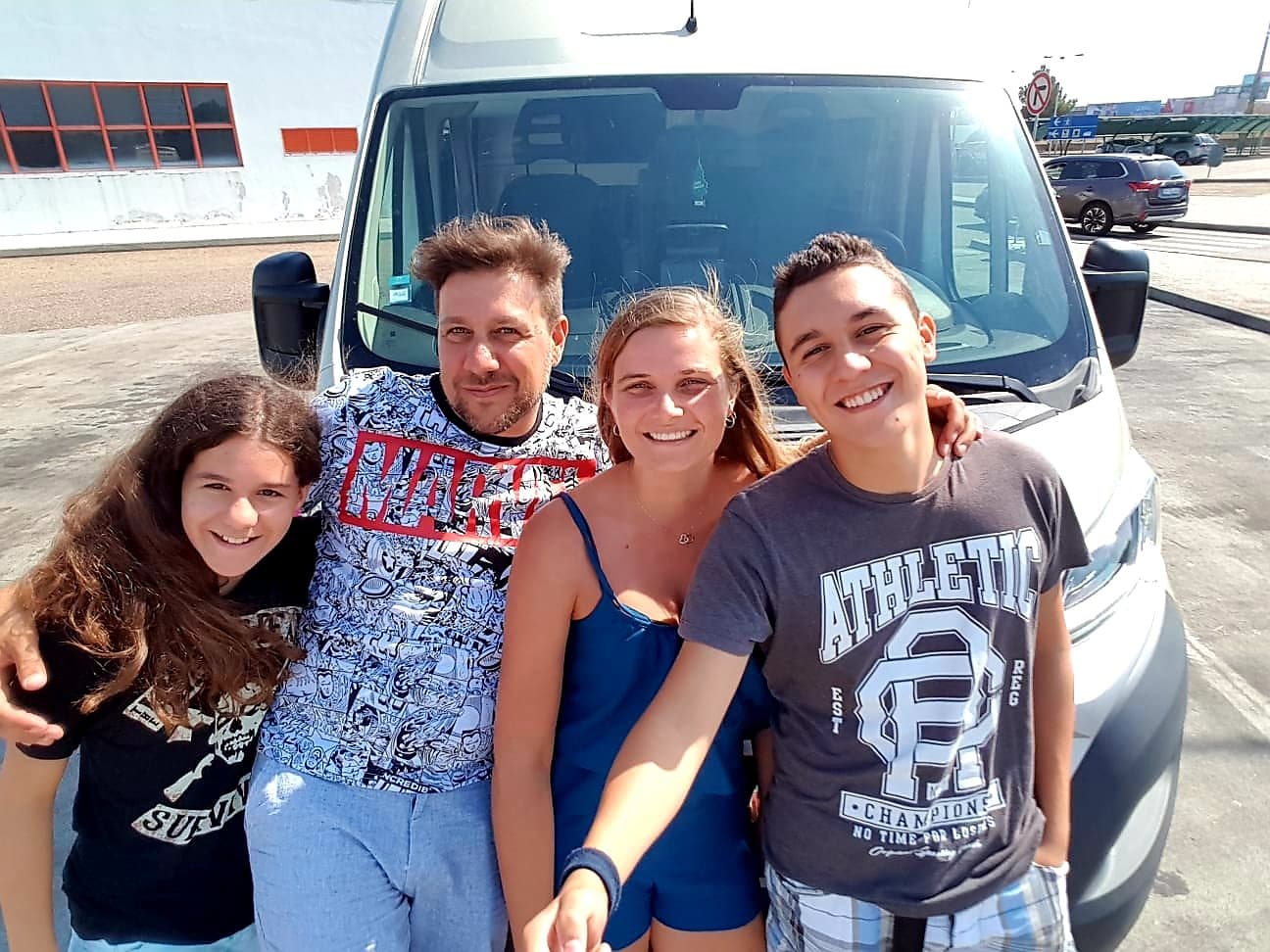
In our case, the key decision was to do most of the route in an adapted camper van, as a family, focused on the freedom of the road and the reduction of fixed costs that usually wreck a holiday budget. It wasn't a luxury experience. It was a practical, lively and, honestly, pretty fun experience.
The starting point: spending better, not necessarily spending the absolute minimum
When people talk about travelling cheap, there's a very common mistake: imagining that everything has to be as cheap as possible. Not always. Sometimes it pays to spend a bit more on a solution that simplifies the rest. That's how we felt about the camper van. We didn't need hotels every night, or restaurants all the time, or to be tied to rigid bookings.
That kind of flexibility changes everything. You get more control over schedules, meals and the pace of travel. And when you're travelling with kids, that's worth even more, because improvisation stops being an enemy and becomes part of the logistics.
The route: a lot of world in a few days, but with a sense of priority
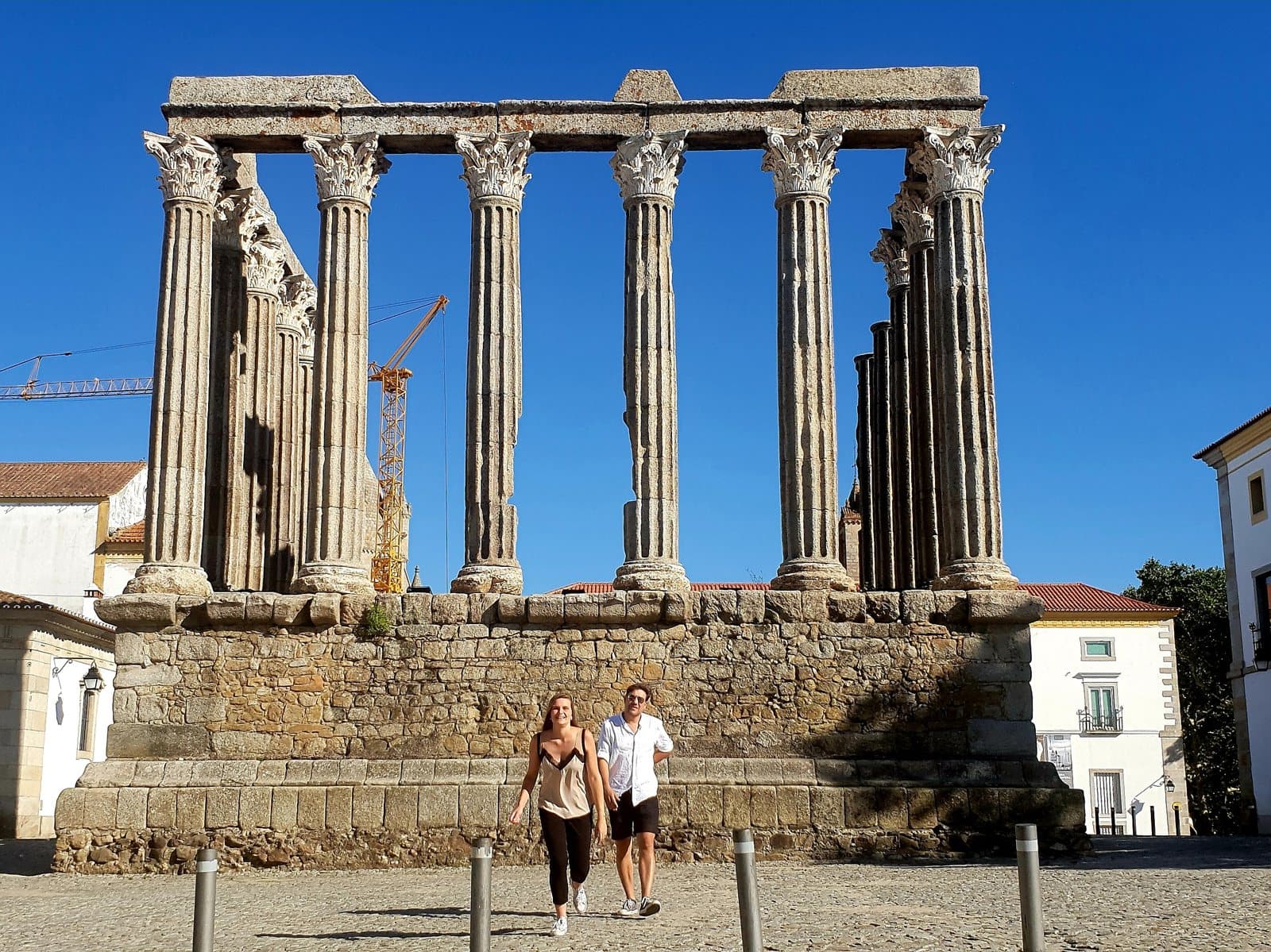
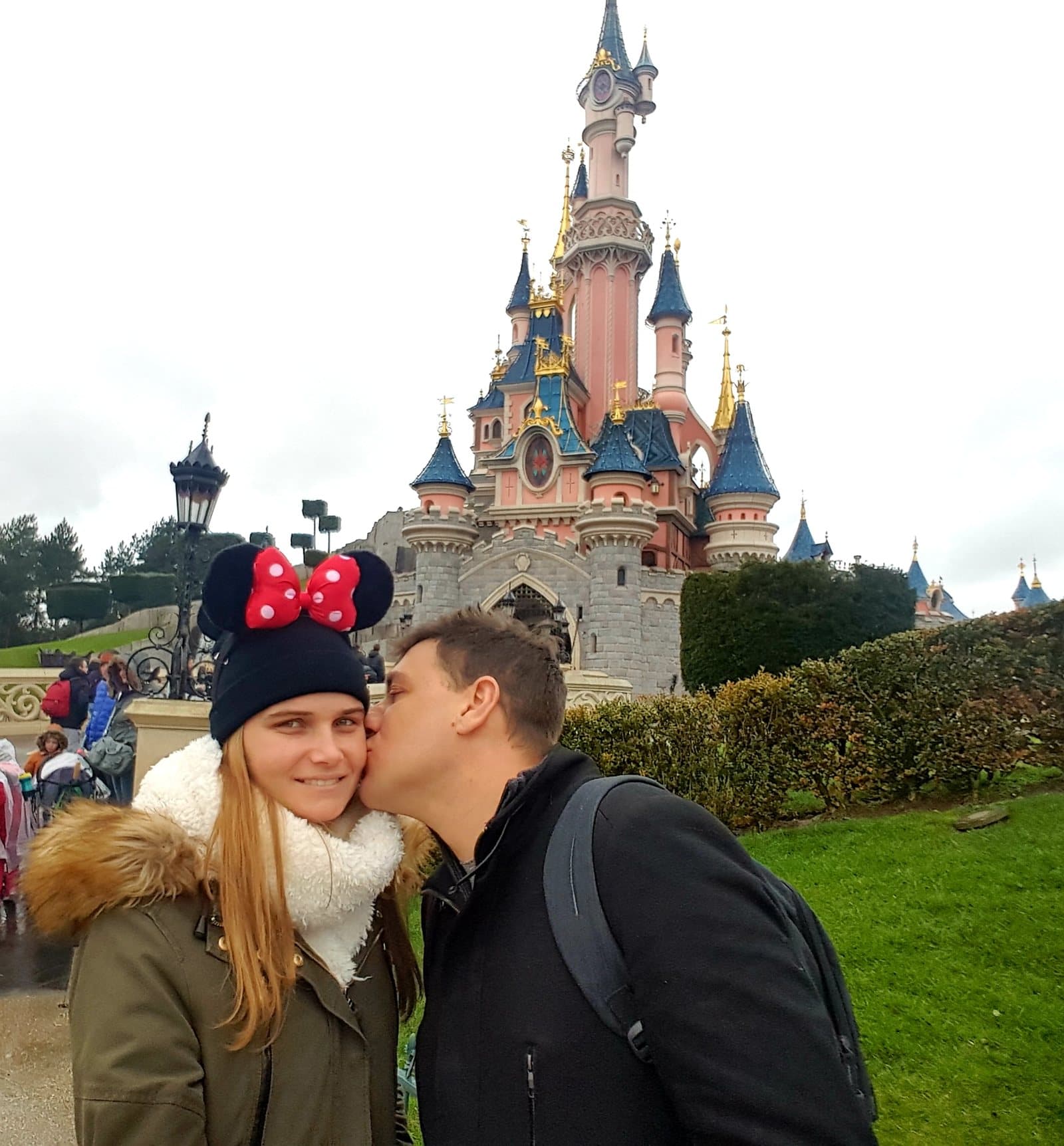
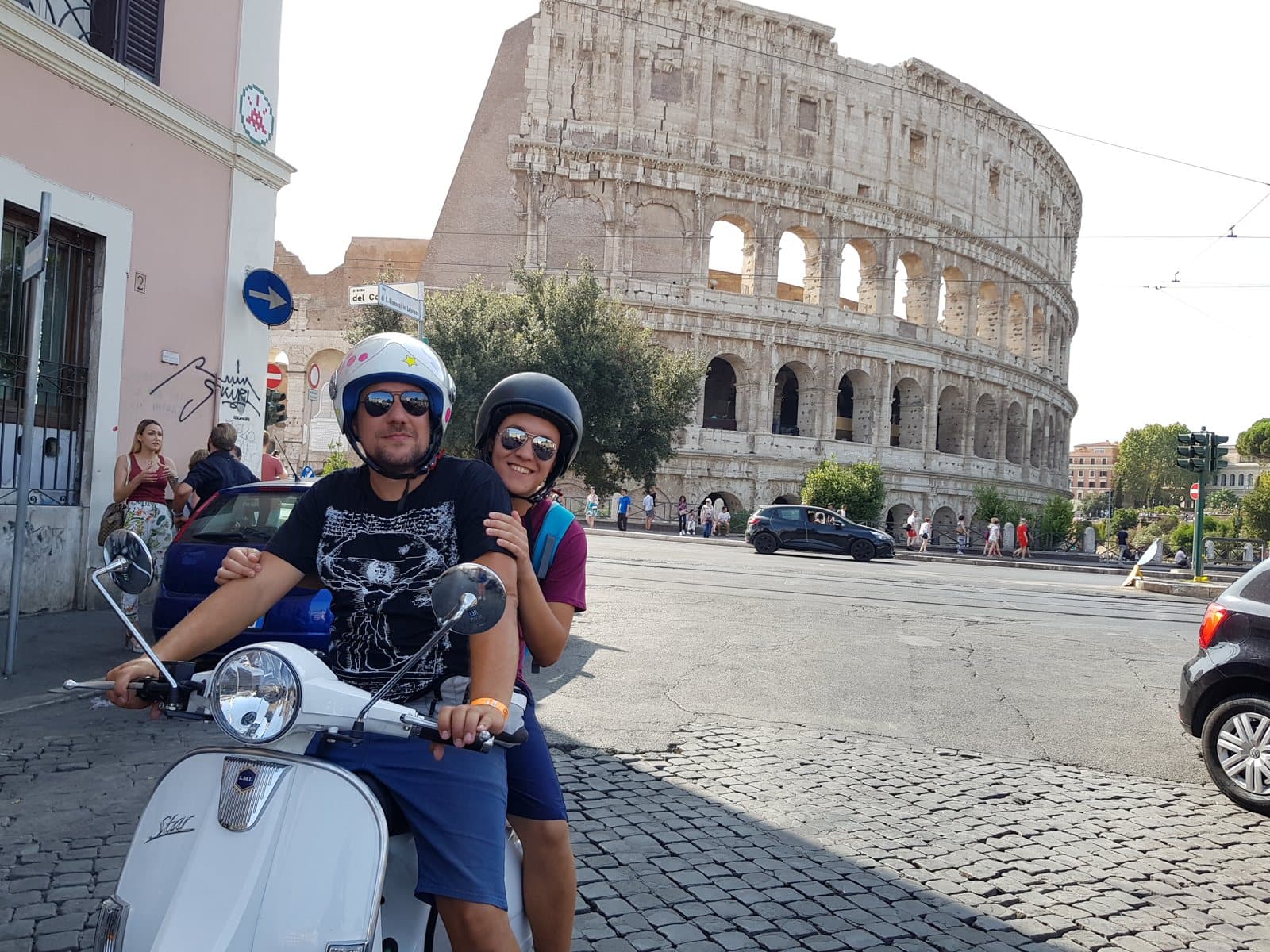
We left Lisbon and started piling on the kilometres, cities and countries. Madrid, Barcelona, Marseille, Monte Carlo, Milan, Venice, Pisa, Bologna, Florence and Rome made it onto the route. It looks excessive when you write it out like that, and indeed it was an intense trip, but it worked because we accepted one thing: not every destination needs the same amount of time.
Some were quicker stops, others asked for more attention. The important thing was figuring out where it made sense to breathe and where it was enough to look around, walk a bit, eat something and move on. That balance was decisive in keeping the trip from collapsing into a soulless collection of check-ins.
Sleeping and living the road without blowing the budget
One of the big advantages of the adapted camper van is precisely the domino effect on costs. A place to sleep, some autonomy for meals, freedom of parking and independence from schedules. All of that added up makes a huge difference. It also helped that, outside of Portugal, it's much easier to find support infrastructure than many people imagine.
Refilling water, dealing with grey water, finding dedicated areas and keeping a minimally comfortable routine wasn't the drama it's sometimes painted as. Of course it requires organisation, but the trade-off is worth it. Less reliance on hotels and paid sites means more money available for fuel, entry tickets, occasional meals out and small strategic luxuries.
Eating cheap without turning the holiday into penance
Another nice myth: to travel cheap you have to eat terribly. You don't. What you have to do is stop thinking that every meal has to happen in restaurants picked at random in tourist areas. Supermarkets were essential. Bringing some pre-made stuff, buying the rest locally and using the camper van as a base saved us a serious chunk of the budget.
That doesn't mean giving up on the good experiences. Quite the opposite. Because we weren't spending money on bland meals every day, when it made sense to stop and eat something special, we did it with much less guilt.
What actually costs money on a trip like this
Best not to romanticise it too much. There are unavoidable costs. Fuel, tolls on some sections, occasional entry tickets and general maintenance for a long trip. But when we compared this with the more traditional holiday scenario — flights, hotels, restaurants and local transport — the maths still clearly favoured the road model.
It also helped that we did the return from Rome to Lisbon by plane. It seems contradictory, but it was a smart choice. The trip had already delivered almost everything it had to give by road and we saved precious time on the return.
Travelling as a family changes the maths but doesn't ruin the idea
Travelling with kids adds complexity, of course. But it also gives more meaning to this approach. You have more control over breaks, you can adapt the pace and you're not permanently tied to check-ins or overly rigid schedules. The secret is to prepare the basics, but without trying to control every breath of the itinerary.
That mix between freedom and structure was probably the best discovery of the trip. It wasn't perfect every day. There was tiredness, short-temper moments and less romantic hours of road. But on the whole, it was really worth it.
Is a trip like this worth doing?
It is, especially if you enjoy the journey itself and not just the final destination. A long European road trip isn't for everyone. People who want stable comfort, little uncertainty and very predictable routines might prefer another formula. But for those who enjoy the road, variety and the feeling of adventure, the model works very well.
More importantly: it proves that "holidays in Europe" don't have to automatically mean a wrecked budget. With the right choices, you can do a lot and see a lot without entering financial survival mode.
Conclusion
Doing a cheap trip through Europe was less a question of magic tricks and more a question of smart design. The camper van, the flexibility, the use of supermarkets and the balance between road and plane allowed us to live intense days, several countries and incredible cities without turning the holiday into a budgetary disaster. It wasn't just cheap for what it offered. It was, above all, a very serious adventure.
If an adventure like this inspires you, you can start by planning your parking with Multipark and discover Europe your way.