Rome in 3 days is one of those slightly dangerous promises. On one hand, it sounds like enough time to see a lot. On the other, two hours in the city are enough to realise you'll never see "all of Rome" and the best move is to make peace with that from the start. The trick isn't to conquer the city. It's to step into its rhythm, accept that you'll walk plenty, eat more than planned, and still leave with a long list of things for next time.
That was exactly the logic of this itinerary. No turning the trip into a competition against the map. We preferred to put together coherent days, mixing unmissable classics with street-level moments, and leaving room for something essential in Rome: stopping to look, stopping to eat, and looking again.
Day 1: the first impact with the most familiar Rome
The first day in Rome always has to deal with one friendly problem: almost everything you see looks familiar, but in person it sits on a different scale. The city has that strange power of making postcards a little ridiculous, because once you arrive you realise the presence of the places is bigger than their fame.
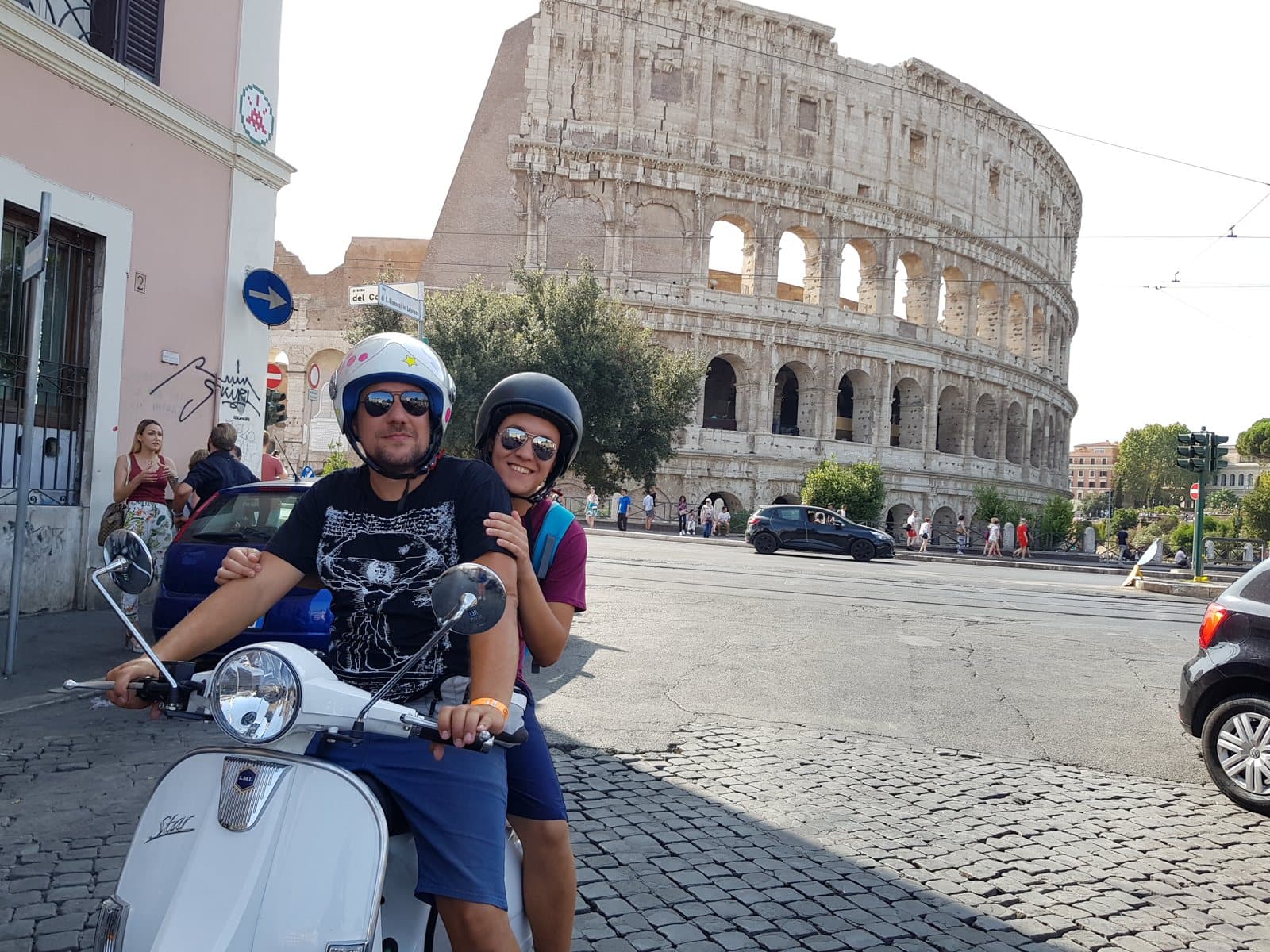
We started with the most recognisable heart of the city, in the right spirit of someone who knows they'll be walking a lot. Colosseum, Forum, historic streets, fountains, squares and churches turning up almost without effort. In Rome, even the detours feel curated by someone who wanted to make sure you don't get bored on a single block.
The best part of day one was exactly that: the feeling of constant impact. There's no big warm-up. Rome welcomes you immediately with monuments that carry historical weight, but also with life around them — traffic, voices, terraces, and people living the city in the middle of an epic backdrop.
Eating in Rome isn't a break, it's part of the itinerary
Some cities have food that complements the trip. In Rome, food often shapes the trip. If you don't plan your day around proper meal stops, you're missing a serious chunk of the experience. Pasta, pizza, gelato, coffee and small strategic stops belong on the map with the same dignity as any monument.
It wasn't a trip of absurd excesses, but we didn't fake discipline either. In Rome, walking that much gives you the morally comfortable excuse to keep ordering "just one more thing". And the truth is it works. The city knows how to feed both the body and the enthusiasm at the same time.
Day 2: the Vatican, big spaces and the city's more solemn side
Day two asked for a different posture. Less improvised street, more attention to the monumental and symbolic side of the city. The Vatican has that effect. Even for those not visiting with religious motivation, it's hard to stay indifferent to the scale, the detail and the historical weight of the place.
Here it pays to manage your energy. The day can easily slip from "we're seeing incredible things" to "I can't feel my legs anymore". The solution was simple: alternate moments of high visual intensity with well-placed pauses. Rome rewards those who know how to slow down. It's not a city to be swallowed in one gulp.
Plus, by the middle of the trip you enter that good phase where the visitor stops feeling completely lost and starts picking up local tics: crossing streets with more confidence, choosing where to eat better, realising the shortest route isn't always the most interesting one.
The side streets are half the magic
If anything became clear over these three days, it's that Rome doesn't only live off its big names. Of course they count. But often the best stretch of the day shows up between two famous spots: in a street with laundry hanging out, in a small less-crowded square, in a discreet café, or on a corner where the light hits the old stones in an absurd way.
That's where the city gained texture. The thing that separates an efficient visit from a memorable one is almost always in those less choreographed bits. In Rome, twenty steps off the main flow are enough to find another rhythm and another relationship with the city.
Day 3: closing without rushing and accepting the inevitable feeling of "not enough"
By day three there was tiredness, but also that mild intimacy that only shows up when a city starts feeling less like a backdrop and more like a temporary habit. The plan was to enjoy what was missing, repeat what deserved repeating, and not burn the end of the trip on a headless dash.
This part is important: in Rome, repeating isn't failing. Going back to a square, a street or a view you'd already seen the day before can be a great decision. The light changes, the mood changes, the appetite changes, and the city responds differently.
What stayed with us from Rome
A sense of scale, of course. But mostly the way Rome mixes grandeur with normal human wear. It's not a sterilised city. It has monumental beauty and, at the same time, traffic, heat, queues, hurried footsteps and small bits of disorganisation. And maybe that's exactly what gives it strength.
What also stayed was the certainty that 3 days in Rome are enough for a great trip, as long as you go with the right expectations. You see a lot, you feel plenty, and you leave wanting to come back. Not to "finish Rome", because that doesn't exist, but to keep the conversation going.
Practical tips that genuinely helped
Wearing comfortable shoes isn't a generic magazine line; it's survival. Leaving some room in the day for guilt-free meals also helps more than it looks. And choosing zones in blocks, instead of jumping from one side of the map to the other, avoids wasted energy.
Another simple tip: don't try to do all the classics with the same intensity. Rome has too many layers for that. Sometimes it pays off to skip one site and live the rest of the day better.
Conclusion
Rome in 3 days can be a brilliant plan, as long as you go ready to walk, eat, adjust expectations, and let yourself be surprised. The city delivers all the classics it promised, but it also delivers a series of in-between moments that are the ones that really stick. In the end, you walk away with monuments in your head, pasta in your system, and a not-very-discreet urge to come back.
Before you get lost in the streets of Rome, plan your parking with Multipark and leave the car safe.