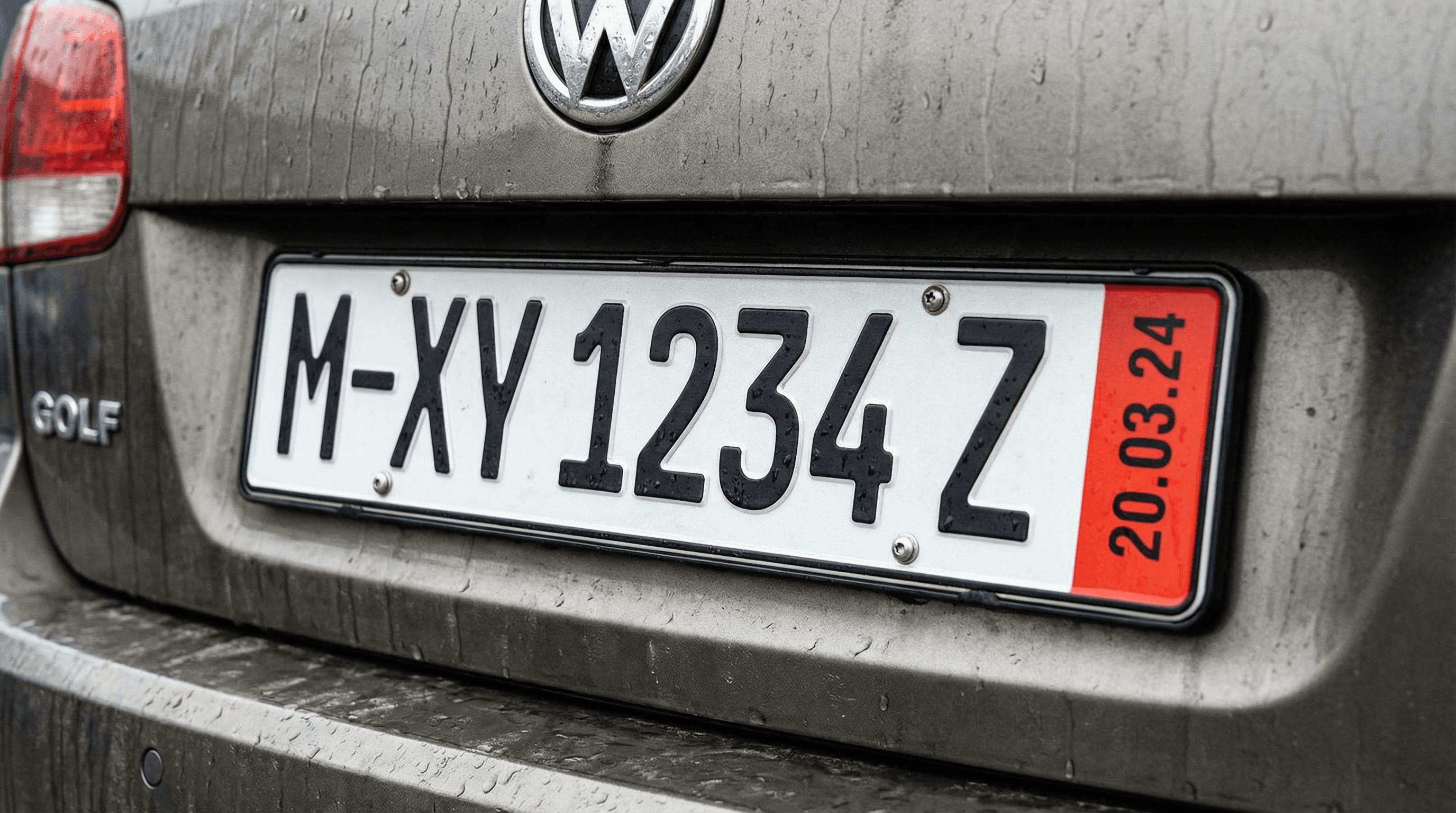
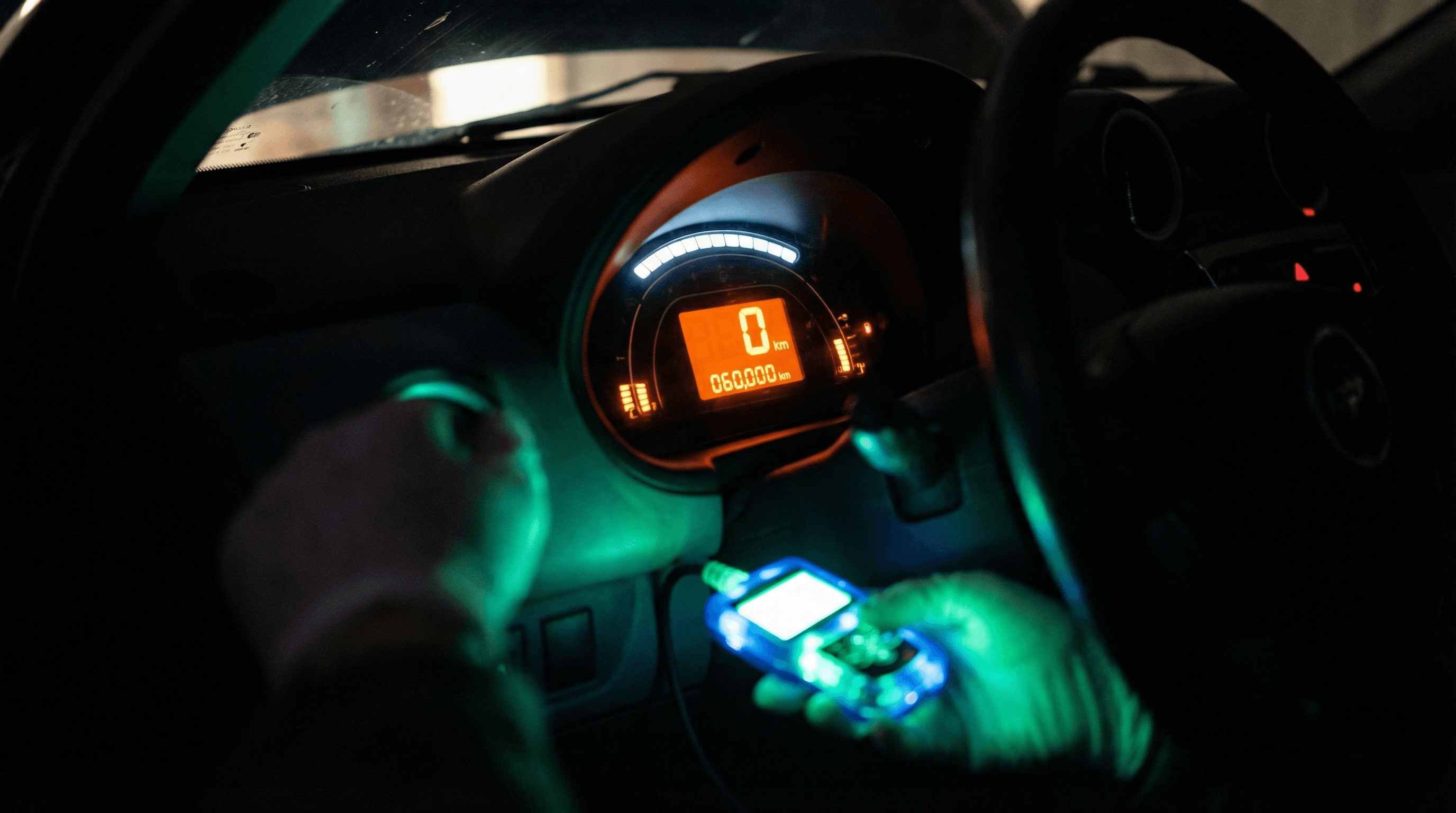
Look, nothing scares anyone about to import a car more than the famous "clocking". You’re staring at the listing for a stunning BMW with just 60,000 km, the price is incredible, and a little voice in your head starts whispering: "This is too good to be true… could it actually have 260,000 km and someone has been at the dashboard?"
Sadly, odometer tampering is a sport widely practised by dishonest sellers. But you don’t need to be a private detective or a master mechanic to catch this fraud.
Martin gathered the 5 definitive tricks to make sure the car you’re about to buy really has the age and "mileage" that the seller swears blind it has:
1. The Magic Number: The VIN (Chassis Number) 🕵️♂️
Before you even buy the flight to go and see the car, ask the seller for the VIN (Vehicle Identification Number, or chassis number). If they hesitate or make excuses, run.
With this number in hand, go to an authorized dealer of the brand here in Portugal (or to a friendly mechanic with access to the systems) and ask to see the history. The brand knows exactly how many kilometres the car had at its last official service. If the brand says it had 150,000 km in 2024, and a 2026 listing says 80,000 km… you already know what happened.
2. The Maths of Wear: Steering Wheel and Pedals 🦶
A car with a real 50,000 km has to look new on the inside. Full stop.
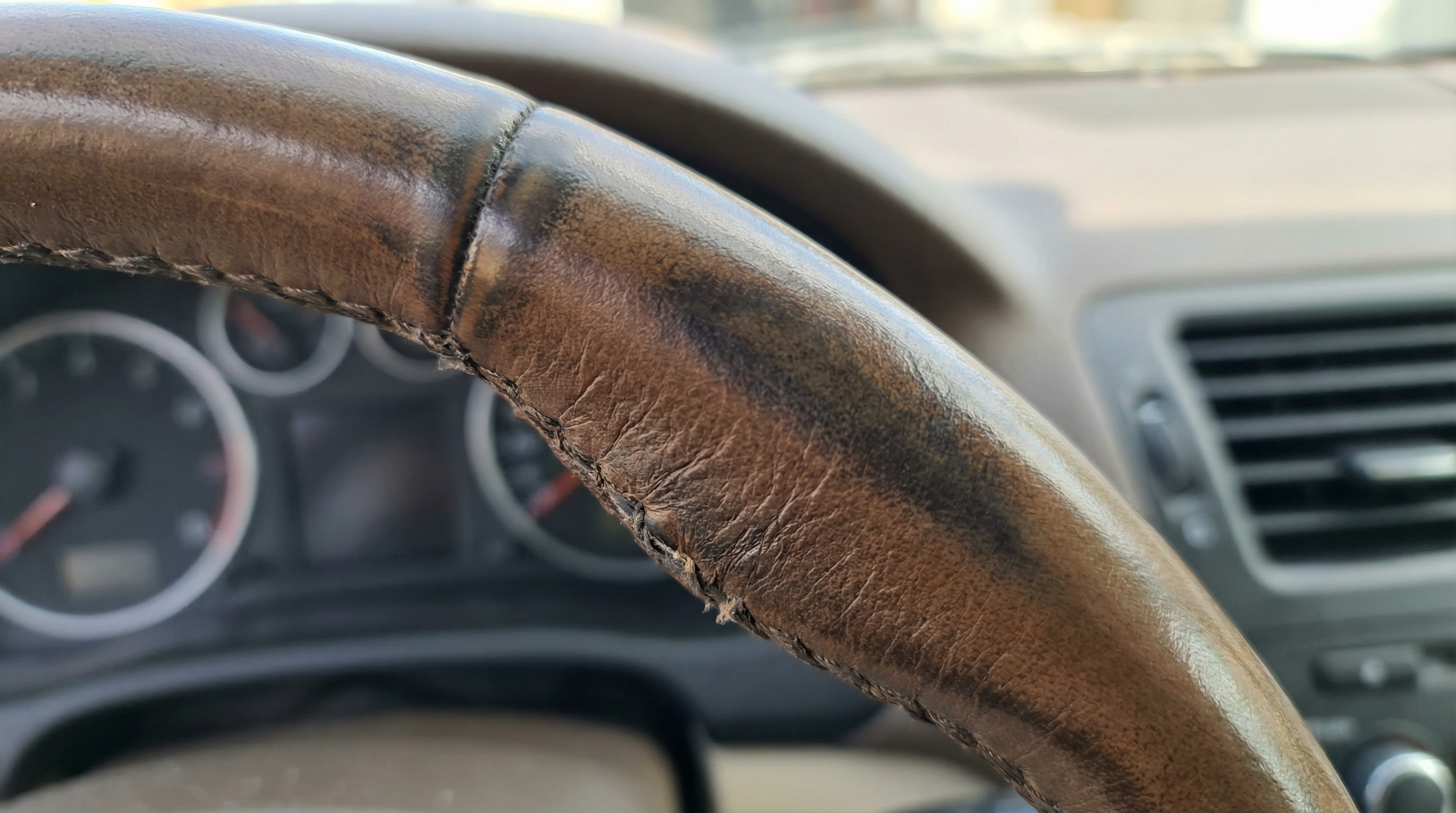
Look very carefully at three things: the rubber on the clutch/brake pedal, the leather on the steering wheel, and the gear lever. If the listing says the car has been used very little, but the steering wheel is completely polished, smooth and worn, or the brake rubber is bare, the maths doesn’t add up.
3. The Driver’s Seat Bolster Test 💺
Every time someone gets in and out of the car, they brush their leg and back against the left bolster of the driver’s seat (especially if they’re sport seats).
If the seller says the car only did a handful of motorway kilometres, but the foam on that side of the seat is crushed or the fabric is torn/worn, get suspicious.
4. The Service Book "Done in a Hurry" 📖
The Germans love a Scheckheftgepflegt (a car with logged maintenance). But take a hard look at the book!
If the car is 8 years old, and every stamp and signature from the services was made with the exact same blue pen, in the same handwriting, and the ink looks all fresh… Congratulations, you just caught a fake service book that was filled in the night before.
5. Use Online Reports (Don’t Be Cheap) 💻
For about €15 to €20, you can use sites like Carfax, autoDNA or Vindecoder. You enter the car’s VIN and they spit out a complete report cross-referencing data from insurers, inspections and workshops across Europe. These €20 are the best investment you can make to avoid throwing thousands of euros down the drain.
Clean Car, Flight Booked. And the Bureaucracy?
You did your homework, used all of Martin’s tips and found an honest, immaculate car at a dealer abroad. Excellent! Now it’s just a matter of flying out to Europe and driving the machine back.
But don’t forget to plan the logistics here in Portugal. You’ll have to head to the airport before dawn. Are you going to throw money at a taxi or pester your friends?
Be a strategist from start to finish. Take your current car, drive it to Departures and hand the keys to the Multipark team. Our Valet Parking service will look after your current car while you fly out to fetch the new one. When you land back in Portugal with your new beast, you swing by to pick up the old car. Simple.

And the best part? We handle the worst of it. Don’t want to lose holiday days at the tax office, the IMT, customs or trying to book the mandatory Inspection B? Multipark takes care of it. Through our partners, we handle the entire legalization and inspection process for your new car. You celebrate the purchase, and we take the machine to the inspection centre and deal with the paperwork.
Run the simulation and book your Valet Parking on the Multipark website and ensure an import without surprises and without headaches!