The Portuguese summer is brutal. Not just for you (melting on the street at 3pm), but also for your car. That scorching sun you love so much at the beach is the same one slowly destroying your car's paintwork, dashboard and rubber seals.
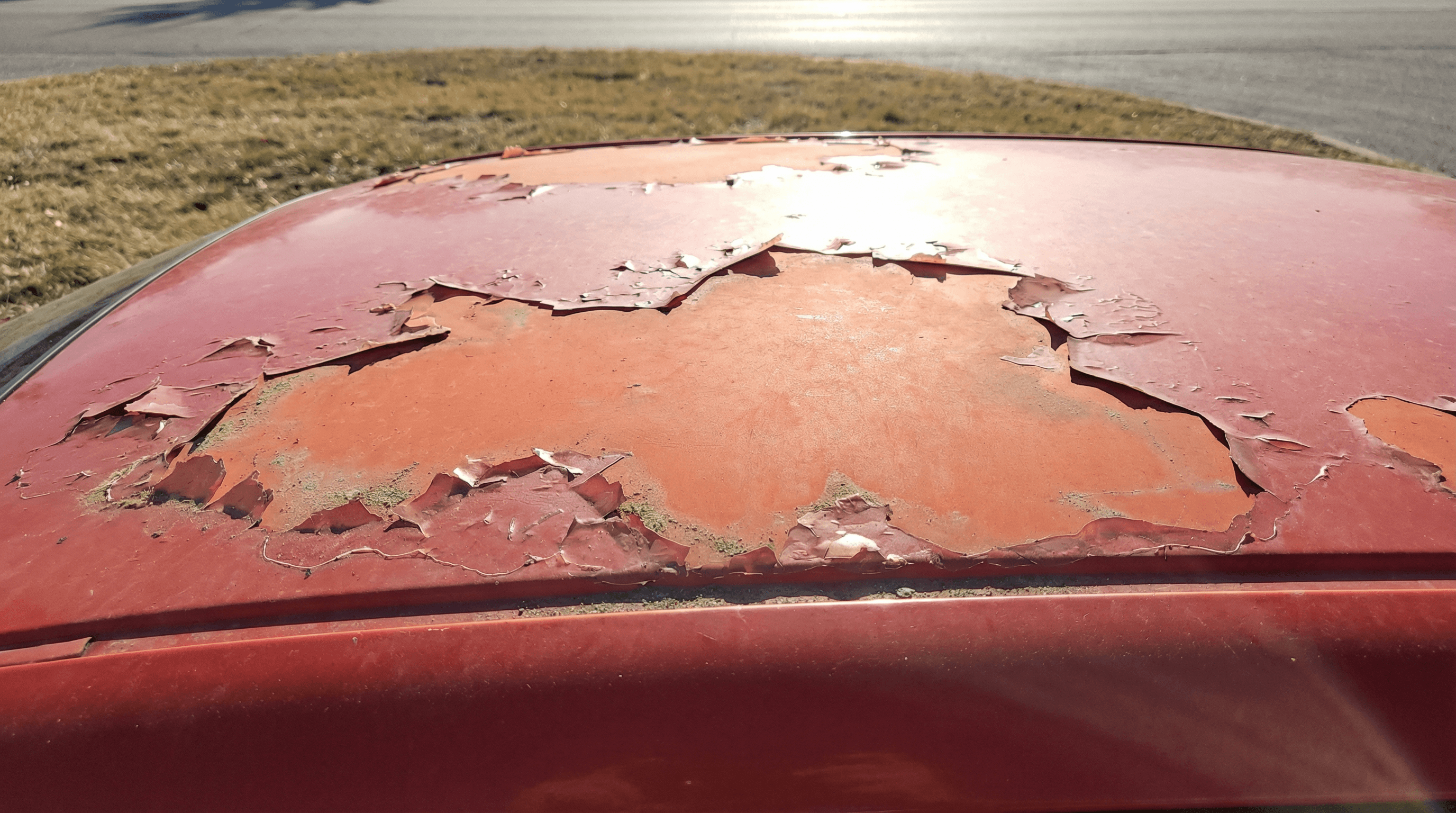
If you've ever seen a car with a roof that's gone all white and flaky, like it caught a third-degree sunburn, you know exactly what we're talking about. And no, it's not just old cars. It happens to any car that spends too much time in the sun without protection.
What the Sun Does to Your Car (Spoiler: Nothing Good) ☀️
Ultraviolet (UV) rays are the big villains. They work like a slow, silent chemical attack:
- Paintwork: The lacquer (the clear coat that protects the colour) loses its shine, turns dull and eventually starts flaking. The most vulnerable colours are red and black.
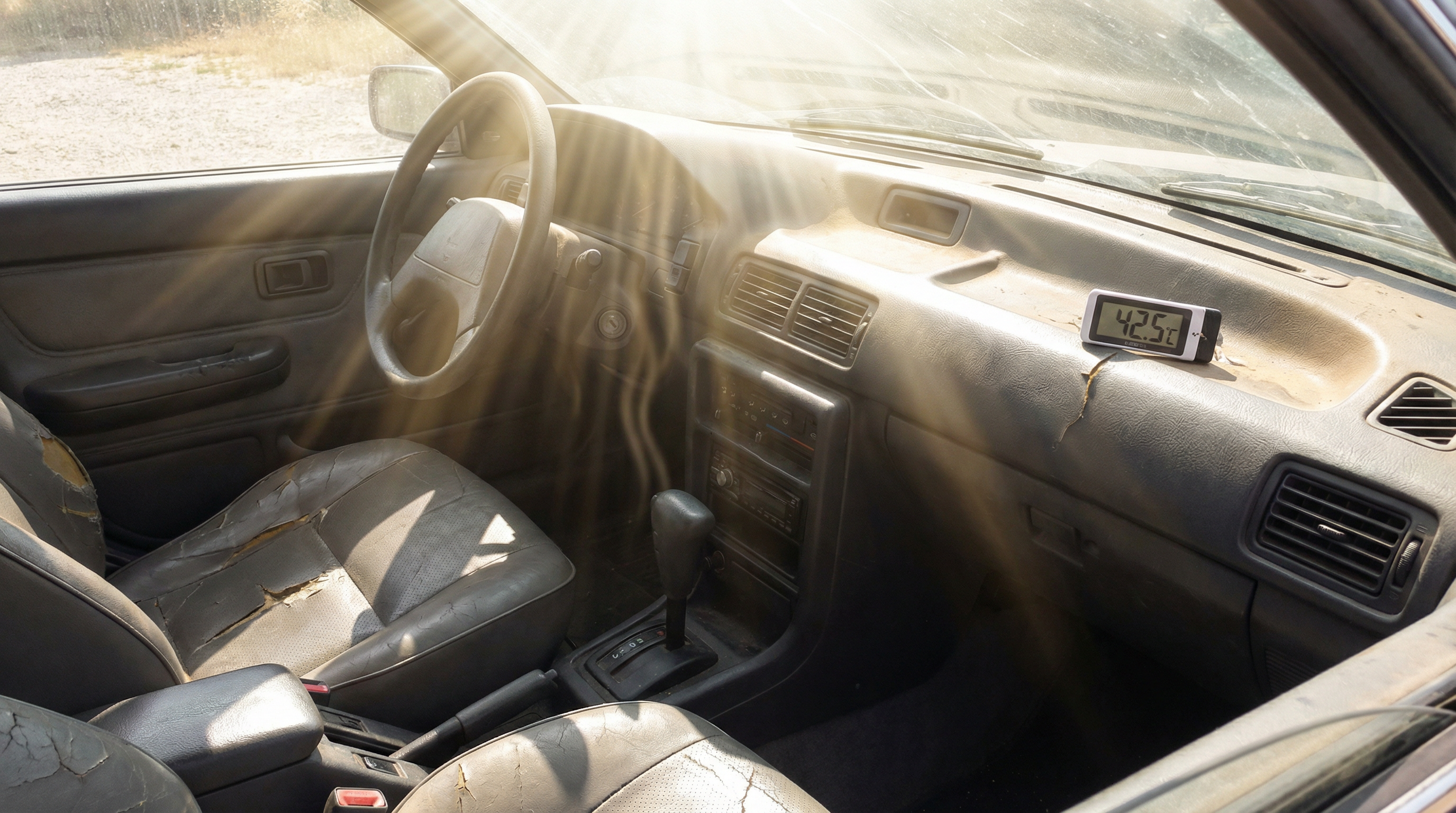
- Dashboard and interior plastics: They dry out, crack and end up looking grey and aged. Not to mention the smell of hot plastic when you open the door after the car has been in the sun all day.
- Door and window rubbers: They harden and lose elasticity, which means come winter you're going to have water leaks.
- Upholstery: If you have leather seats (real or faux), the sun cracks them and fades the colour. If you have fabric seats, they bleach out.
Practical Tips to Protect the Car 🛡️
You don't have to spend a fortune. You just have to be smart:
Windscreen sun shade: It looks like something your grandmother would use, but it's the cheapest, most effective way to protect the dashboard and bring the cabin temperature down by several degrees. Costs 5 euros and saves you hundreds in cracked-plastic repairs.
Wax with UV protection: Twice a year (before and after summer), apply a good wax with a UV filter to the paintwork. It works as sunscreen for the car. Don't use 3-euro supermarket wax; invest in a decent wax (15–20 euros) that lasts for months.
Wash off bird droppings immediately: Pigeon poop is acidic. If it sits "baking" in the sun on your paintwork for days, it burns the lacquer and leaves a permanent mark. Wipe it off with water and a soft cloth as soon as you spot it.
Park in the shade whenever possible: It sounds obvious, but most people park in the first spot they see. Walk an extra 50 metres and park under a tree or in a covered car park. Your car will thank you.
Hydrate the interior plastics: Use a dedicated dashboard and plastics product (something like Armor All or similar) with UV protection. Apply once a month in summer.
The Hook: 15 Days in the Airport Sun? No Way! ✈️
Now picture this scenario: you're heading off on holiday for 15 days in the middle of August. You leave the car in the airport's open-air lot, in the sun, for two straight weeks. When you come back, the dashboard is melting, the paintwork has lost its shine and the interior smells like an oven.
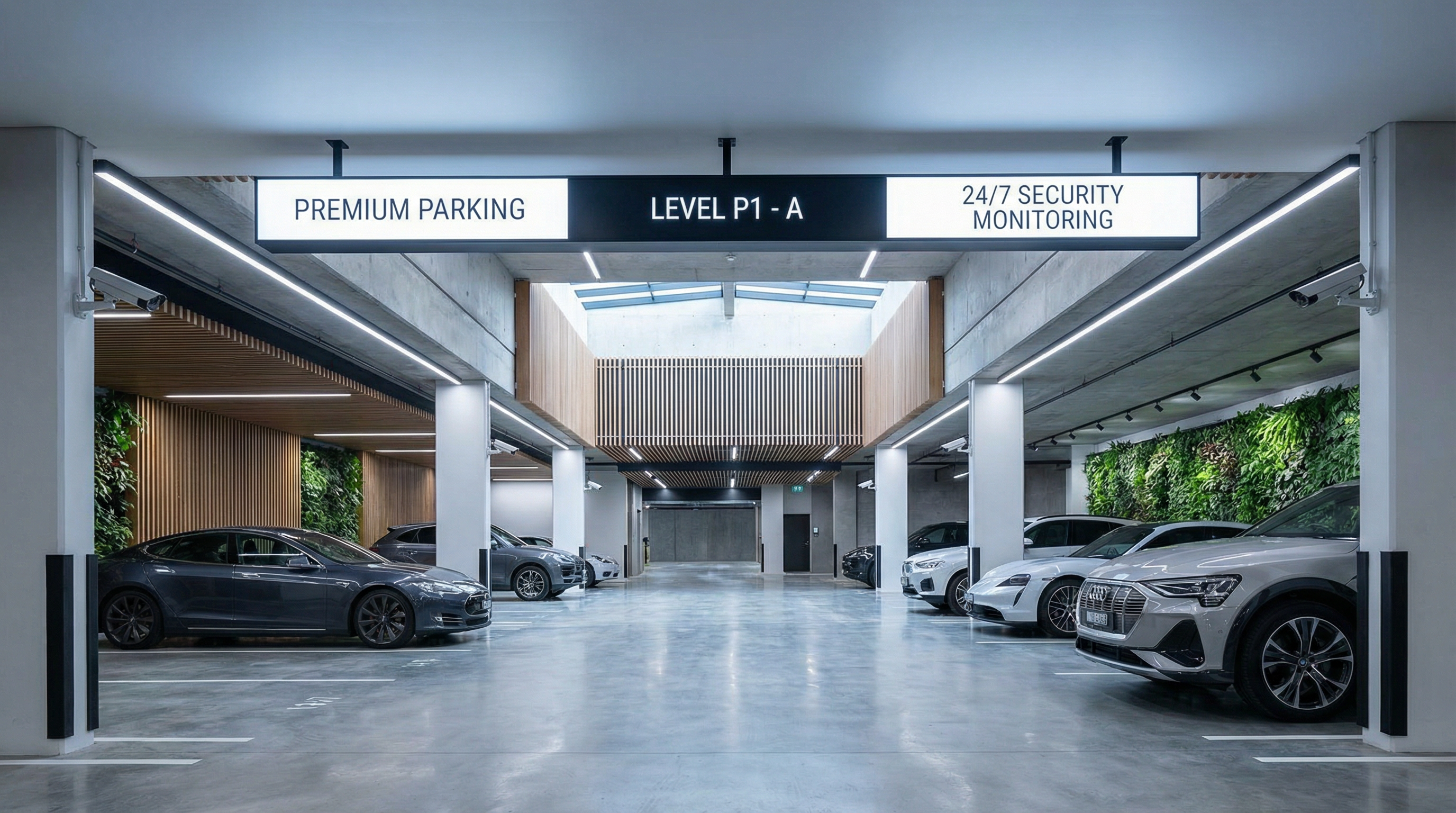
With Multipark, this doesn't happen. Your car sits in a covered car park, protected from sun, rain and bird droppings. And if you want to go a step further, you can add the full wash service (interior and exterior) to your booking, so when you land the car is fresh, clean and smells like new.
Don't let the Portuguese sun punish your car while you're at the beach. Run your Valet Parking quote at the Multipark website and make sure your car gets treated as well as you do on holiday!