

Dossier · Service
§01

Headlight polishing

Removal of polycarbonate yellowing and UV sealing. Restores beam intensity and night-driving safety.

Headlight polishing
§02
In detail

Detailed description

§01

Why headlights turn yellow

Every modern car uses polycarbonate headlights — a light plastic, impact-resistant and easy to mould into complex shapes. The price to pay is that polycarbonate degrades with UV exposure. After 4 to 7 years under Portuguese sun, the original protective layer starts to oxidise, gains that yellowed/matte tone you see from outside and, more importantly, reduces the amount of light reaching the road. The headlights look like they're working, but actual reach may be 30-40% below original.

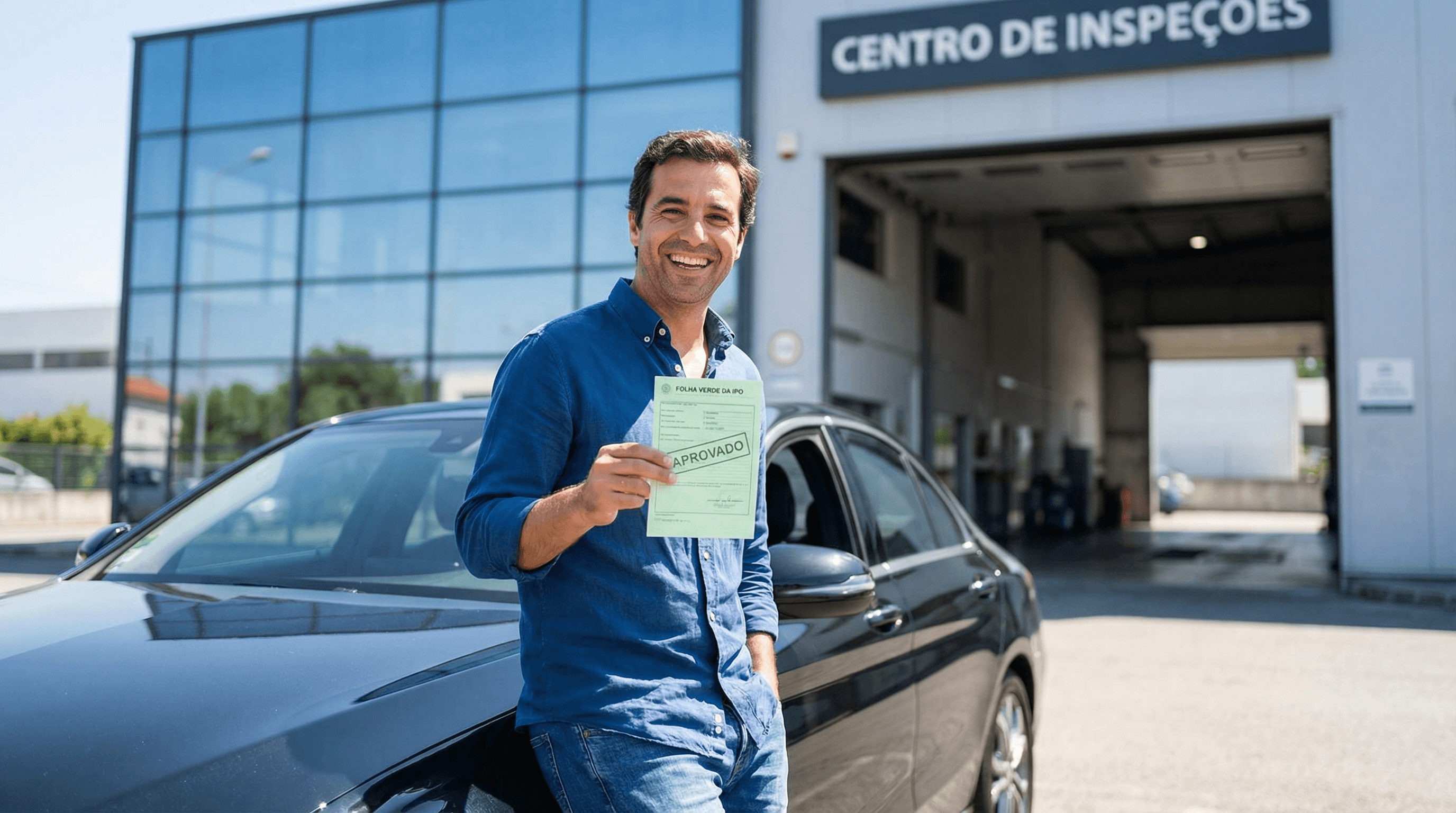
It's a safety issue, not cosmetic. On a motorway at night, 30% less light means 30% less reaction time to an animal, a tyre on the road, a pedestrian stepping out from behind a parked car. In Portugal, yellowed headlights with reduced reach can result in inspection failure.
§02

The Multipark process

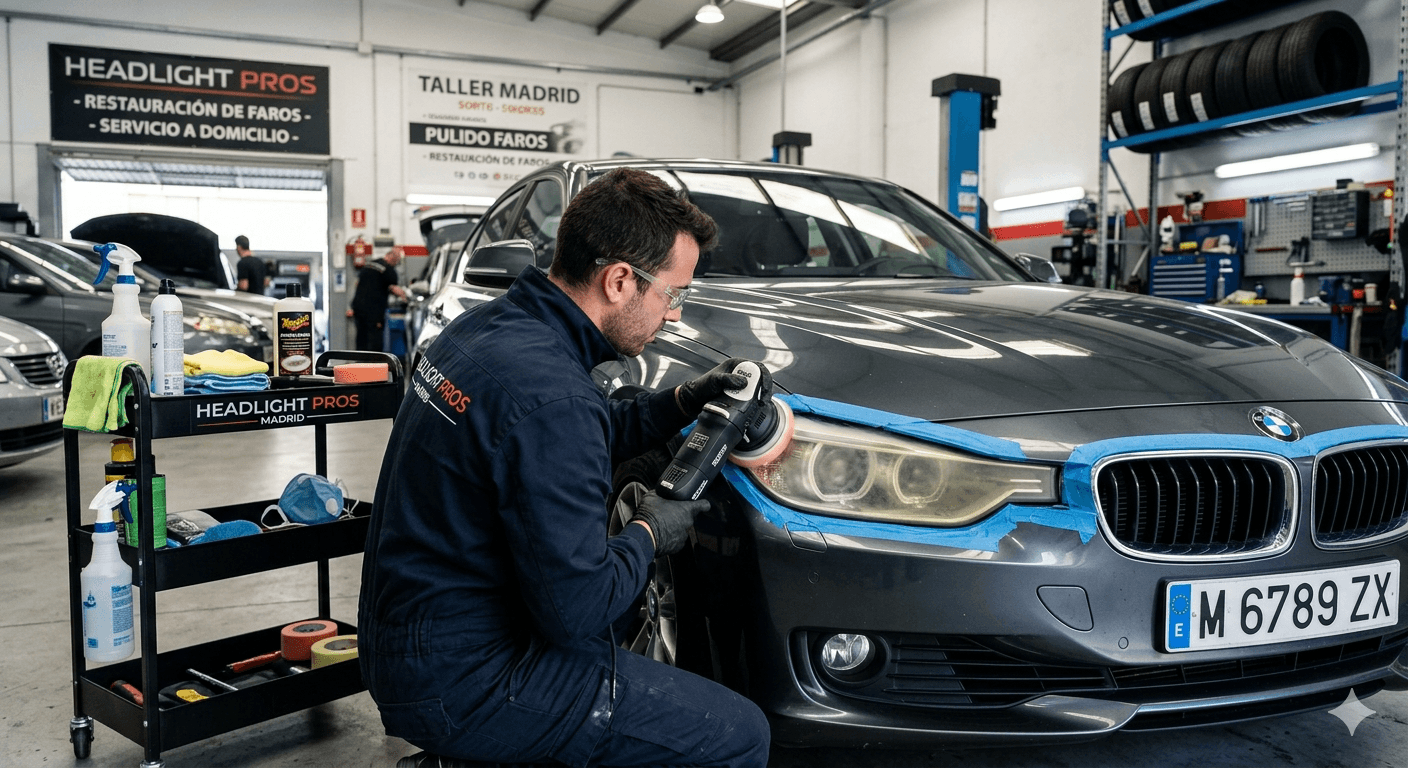
We start with a visual assessment — not every yellowed headlight needs the same treatment. If degradation is superficial, polishing and sealing is enough. If the original protective layer is compromised (micrometric cracks), abrasive sanding in several grades may be needed before polishing.

The work is done in phases. First, we protect the surrounding paint with quality masking tape — any abrasive contact with paint leaves a mark. Then we sand with progressively finer grits (800 → 1500 → 3000 grain). We move to polishing with a specific compound and plastic-dedicated pad. And we seal with a professional-grade UV varnish that renews the original protection.

Without UV sealing, the headlight yellows again in 6-12 months — a classic mistake by cheap services that do polishing only and sell 'as-new headlights'. Sealing is what lasts.

§03

Duration and result

On average, we work both headlights in 1h30 to 2 hours. The result is immediately visible: the lenses become transparent, like factory-new. Light projection — tested against a wall before and after — usually recovers 70% to 95% of original depending on starting condition.

With the professional UV sealing we use, protection typically lasts 2 to 3 years if the car sleeps outdoors, 3-5 years if garaged. If yellowing returns within that window, we offer a discount on redoing the job. In extreme cases — where the inside of the headlight (the lens behind the polycarbonate) is also damaged or has condensation — we recommend replacement, not polishing.

§04

When to polish, when to replace

Polishing makes sense when the polycarbonate is yellowed but intact. If there are visible cracks, moisture inside, or the headlight rattles when shaken (loose bulb or lens), replacement is the only safe option. A poorly polished lens over structural failure hides the problem and can lead to the worst scenario: a dead headlight midway through a night trip.

For higher-value or collector cars, we can document the process with before/during/after photos, including luminance measurements — useful for resale value maintenance.

Frequently asked · §03

Most frequent questions

Quick answers to the questions our clients tend to have before booking this service.

§05
Next step

Ready to proceed?

Talk to the team to agree on dates, share vehicle details and receive a clear quote before any commitment. No sales pressure, no fine print.