

Dossier · Service
§01

Paint polishing

Correction of swirl marks, surface scratches and oxidation. Multi-stage with paint thickness measurement and final sealing.

Paint polishing
§02
In detail

Detailed description

§01

What professional polishing is

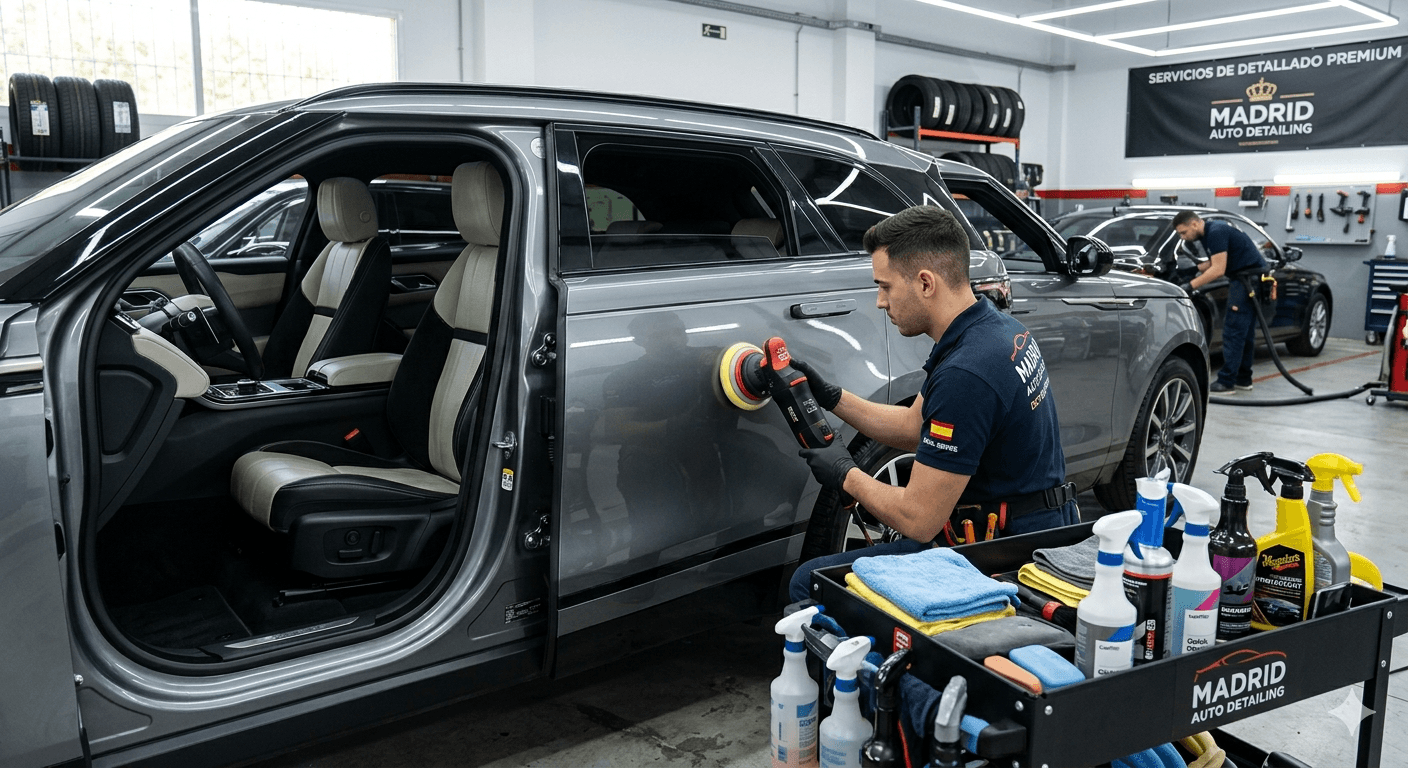
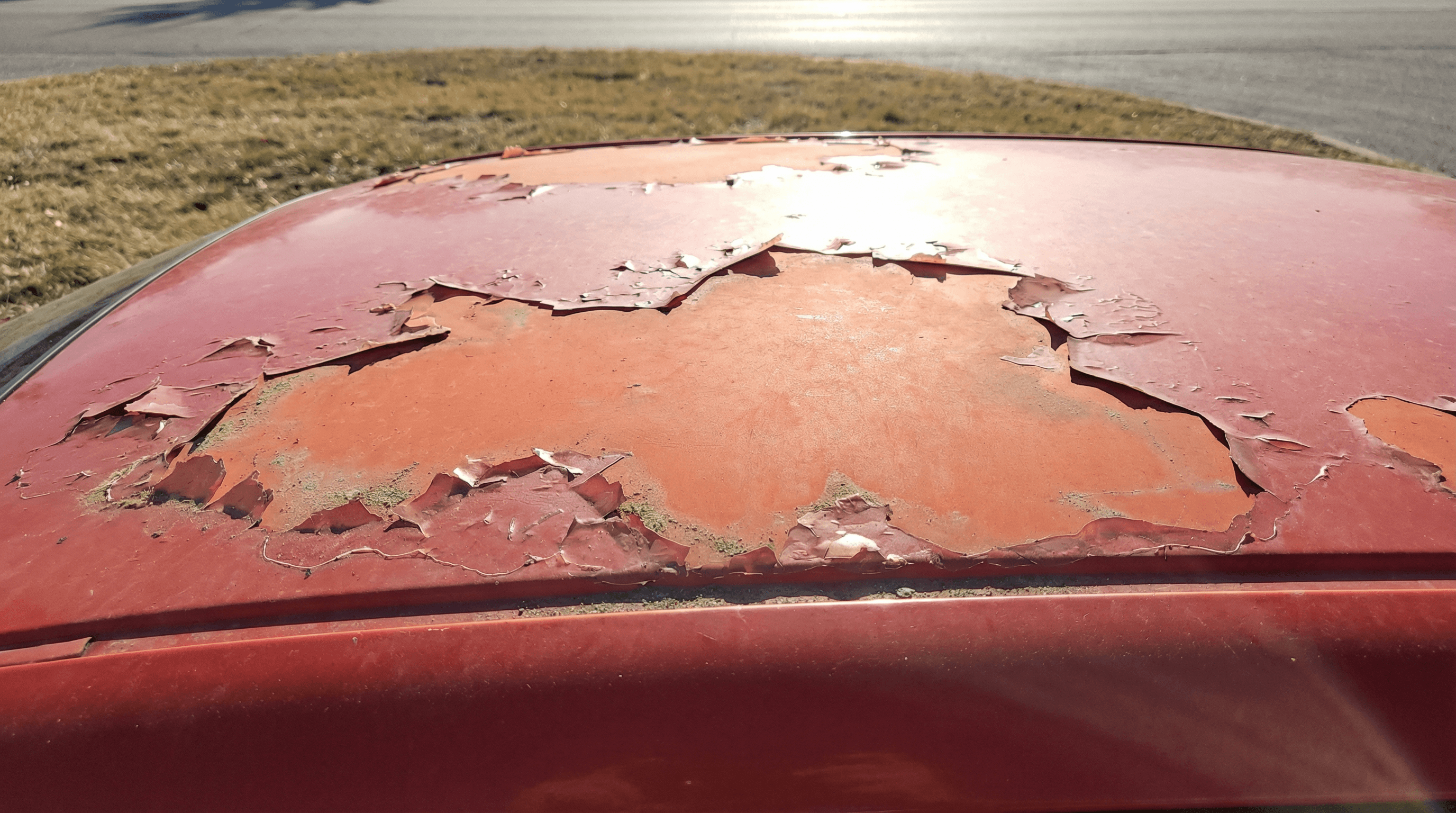
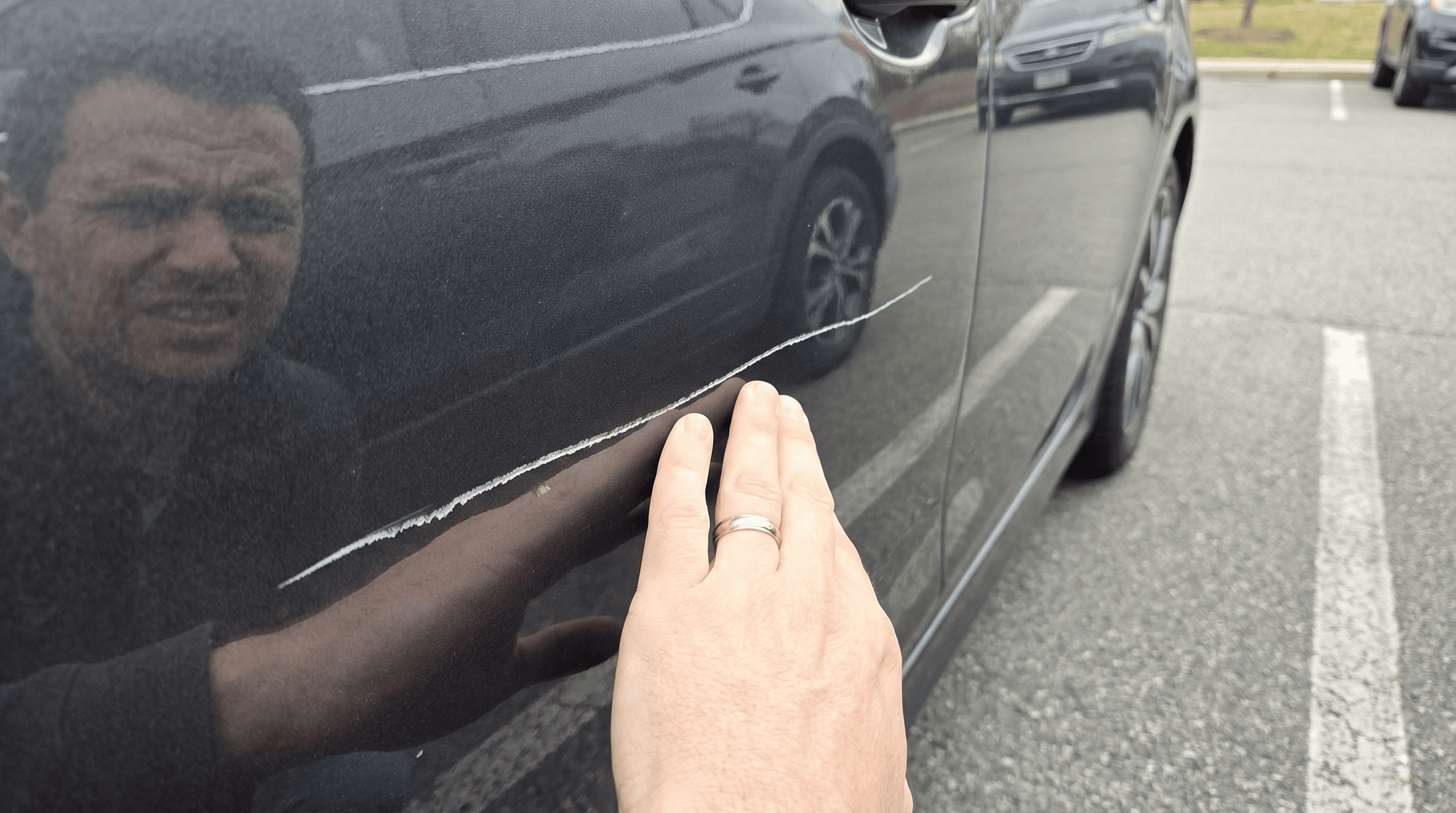
Polishing car paint isn't about wiping wax. It's a controlled mechanical process: with a polisher, a specific pad and an abrasive compound of calibrated granulometry, we remove a micrometric layer of paint — almost always from the clearcoat, not the pigment — to eliminate defects like surface scratches, wash-tunnel swirl marks, bird-droppings etched into the clearcoat, or oxidation from lack of maintenance.

It's delicate. Over-polishing removes too much clearcoat and leaves the pigment vulnerable. Under-polishing doesn't fix the defects. We always use a paint-thickness gauge to know exactly what clearcoat we're working with — most modern cars carry 90-140 micrometres of clear, and any serious polish starts with measuring before touching.
§02

One-step, two-step or full correction

Polishing has levels. A 'one-step' is entry-level: a single pass with a medium compound that removes 60-70% of minor defects and restores gloss. This is our pick for cars in good shape whose owners want a 'refresh'.

A 'two-step' combines a more aggressive compound to remove defects, followed by a finishing compound to clean up any holograms left by the cutting compound. Removes 85-95% of defects and leaves a deep, clean gloss. The choice for cars with visible scratches, heavy swirl marks or cars about to be sold.

Full correction (three-step, with wet-sanding in specific zones) is reserved for extreme cases — show cars, collectors, deep corrections. Involves more hours and more risk — we always proceed with written consent and constant measurement.

§03

Step by step

We start with a full wash, followed by decontamination with clay (magic clay) that removes embedded particles a normal wash can't. Only then is the paint 'ready' for polishing — polishing over dirt produces additional scratches.

We mask panel by panel and work in small zones (about 40×40 cm), checking the result under dedicated LED lighting that reveals defects invisible under normal light. When a panel is done, the gauge passes again to confirm no excess clearcoat was removed.

We finish with a sealant — synthetic wax, polymer sealant or liquid glass (ceramic coating), per the chosen package. Each option has a different durability (see FAQ below).

§04

Who it's for

For any car 3+ years old that's been through automatic washes, direct daily sun or carries annoying parking-lot scratches. On black, dark blue or maroon cars — colours that show defects more — polishing makes a striking difference. For anyone selling, perceived value can rise €500-€1,500 with well-done polishing.

For buyers of a used car wanting to 'undo' previous owners' wear, it's often the first service we recommend. A 5-year-old car with a two-step polish looks 2 years younger — from that point, only hand washing and proper protection are needed.

Frequently asked · §03

Most frequent questions

Quick answers to the questions our clients tend to have before booking this service.

§05
Next step

Ready to proceed?

Talk to the team to agree on dates, share vehicle details and receive a clear quote before any commitment. No sales pressure, no fine print.